Proper Roof A Comprehensive Guide

Proper roof construction is crucial for a home’s structural integrity, weather protection, and longevity. Understanding the intricacies of a proper roof, from material selection to installation and maintenance, is key to ensuring a safe and comfortable living space. This guide delves into the essential aspects of proper roofing, empowering you with the knowledge to make informed decisions and maintain your home’s most important protective layer.
We’ll explore the various types of roofing materials, their suitability for different climates and building styles, and the best practices for installation and maintenance. We’ll also cover crucial safety aspects and legal considerations, providing a complete picture of what it means to have a truly proper roof over your head.
Defining “Proper Roof”
A proper roof is more than just a covering; it’s a crucial structural element that protects a building from the elements, ensuring its longevity and the safety of its occupants. It must exhibit structural integrity, reliably withstand various weather conditions, and provide lasting protection. A proper roof’s design and construction consider factors such as climate, building style, and budget, balancing functionality with aesthetic appeal.
Key Components of a Proper Roof and Their Functions
The performance of a roof hinges on the effective integration of its various components. These components work in concert to provide a durable, weathertight barrier. A failure in any one area can compromise the entire system.
- Sheathing: This layer, typically plywood or oriented strand board (OSB), provides a solid base for the roofing material and distributes the weight of the roof evenly across the rafters or trusses.
- Underlayment: Positioned beneath the roofing material, underlayment acts as a secondary water barrier, protecting the sheathing from moisture damage in case of leaks or wind-driven rain. It also helps prevent the penetration of airborne debris.
- Flashing: Metal flashing, usually made of aluminum or galvanized steel, is crucial for sealing critical areas where the roof intersects with other building elements, such as chimneys, vents, and walls. Proper flashing prevents water from seeping into these vulnerable points.
- Roofing Material: This is the outermost layer, responsible for shedding water, snow, and ice. The choice of material depends on factors such as climate, budget, and aesthetic preferences.
- Rafters/Trusses: The structural framework supporting the entire roof assembly. Rafters are individual sloped members, while trusses are prefabricated, engineered assemblies.
Roofing Materials and Their Suitability
The selection of roofing materials is critical to the longevity and performance of a roof. Different materials possess varying characteristics, making them suitable for different climates and architectural styles.
- Asphalt Shingles: A widely used and cost-effective option, asphalt shingles are available in a variety of colors and styles. They are relatively easy to install and maintain, but their lifespan is generally shorter than other materials, especially in harsh climates.
- Tile Roofing (Clay or Concrete): Known for their durability and longevity, tile roofs are excellent in hot, dry climates and provide excellent fire resistance. However, they are heavier and more expensive than asphalt shingles.
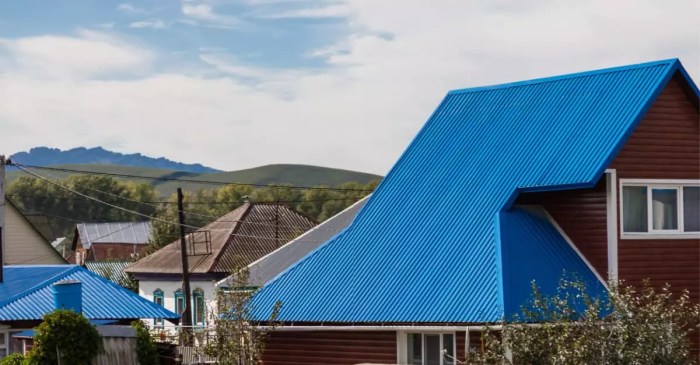
- Metal Roofing (Steel, Aluminum, Copper): Metal roofs are exceptionally durable, long-lasting, and resistant to extreme weather conditions. They are also energy-efficient, reflecting sunlight and reducing cooling costs. However, they can be more expensive upfront.
- Slate Roofing: A high-end, extremely durable option, slate roofs offer unparalleled longevity and aesthetic appeal. They are resistant to fire, rot, and insects, but they are also heavy and expensive.
Roof Designs: Structural Efficiency and Aesthetic Appeal
Roof design significantly impacts both the structural performance and visual appeal of a building. Different designs offer varying levels of efficiency and aesthetic qualities.
- Gable Roof: A classic design with two sloping sides meeting at a ridge, gable roofs are relatively simple to construct and offer good ventilation. Their triangular shape provides excellent snow shedding.
- Hip Roof: Featuring sloping sides on all four sides, hip roofs are known for their superior wind resistance and ability to shed snow effectively. They generally offer a more symmetrical and visually appealing look than gable roofs.
- Gambrel Roof: Characterized by two slopes on each side, with the lower slope being steeper than the upper, gambrel roofs provide increased attic space. They are commonly seen in barns and colonial-style homes.
- Mansard Roof: Similar to a gambrel roof, but with steeper lower slopes and flatter upper slopes, mansard roofs maximize usable attic space. They often feature dormers for added light and ventilation.
Roof Construction and Installation
Proper roof installation is crucial for protecting your home from the elements and ensuring its longevity. This process involves careful planning, material selection, and meticulous execution. A well-constructed roof provides structural integrity, weather resistance, and energy efficiency. This section details the key steps involved in achieving a proper roof installation.
Material Selection
Choosing the right roofing materials is paramount. Factors to consider include climate, budget, aesthetic preferences, and the building’s architectural style. Common roofing materials include asphalt shingles (cost-effective and widely available), metal roofing (durable and long-lasting), tile roofing (aesthetically pleasing and fire-resistant), and wood shingles (natural and visually appealing). Each material has its own lifespan, maintenance requirements, and cost implications. For example, metal roofing boasts a significantly longer lifespan than asphalt shingles, but the initial investment is higher. Careful consideration of these factors is essential for making an informed decision.
Structural Framing
The roof’s structural integrity depends heavily on the framing. This involves constructing a robust framework of rafters, trusses, and sheathing to support the roofing material. Rafters are sloped beams that run from the ridge to the eaves, while trusses are prefabricated triangular units providing structural support. Sheathing, typically plywood or oriented strand board (OSB), forms a continuous surface for the roofing material. Accurate measurements and precise cuts are vital to ensure the frame is properly aligned and structurally sound. Any deviation from the plan can lead to structural weakness and potential future problems. For instance, improperly spaced rafters can lead to sagging over time.
Waterproofing Techniques, Proper roof
Effective waterproofing is crucial to prevent water damage. This involves using an underlayment beneath the roofing material to provide an additional layer of protection against moisture penetration. Proper flashing around chimneys, vents, and other penetrations is also critical to prevent water from entering the roof system. The underlayment should be installed carefully, overlapping seams to prevent gaps. Flashing should be meticulously sealed to create a watertight seal. Failure to properly waterproof can result in leaks, mold growth, and significant structural damage. A common example of improper waterproofing is neglecting to install flashing around a chimney, leading to water seeping into the roof structure.
Ventilation and Insulation
Adequate ventilation and insulation are essential for energy efficiency and preventing moisture buildup. Ventilation allows for the escape of moisture-laden air, preventing condensation and mold growth. Insulation helps to regulate the temperature within the attic space, reducing energy consumption. Ventilation can be achieved through ridge vents, soffit vents, and gable vents. Insulation can be achieved using fiberglass batts, cellulose insulation, or spray foam. Properly designed ventilation and insulation systems significantly contribute to a comfortable and energy-efficient home. For instance, insufficient attic ventilation can lead to ice dam formation in colder climates.
Potential Problems and Solutions
Several potential problems can arise during roof construction. Improper flashing can lead to leaks; inadequate ventilation can cause moisture buildup and mold; incorrect rafter spacing can result in sagging; and using substandard materials can compromise the roof’s durability. Solutions involve meticulous attention to detail during installation, using high-quality materials, and employing proper techniques. Regular inspections and maintenance can help identify and address minor issues before they escalate into major problems. For example, a small leak can be easily repaired if caught early, but if left unattended, it can cause extensive water damage.
Tools and Equipment
| Tool | Purpose | Safety Precautions | Example |
|---|---|---|---|
| Hammer | Driving nails and securing materials. | Wear safety glasses to protect eyes from flying debris. | Claw hammer for removing nails |
| Measuring Tape | Accurate measurements for cutting and placement of materials. | Ensure tape is not obstructed and readings are clear. | 25ft retractable tape measure |
| Circular Saw | Cutting lumber and other materials. | Use appropriate safety guards and wear hearing protection. | 7 1/4″ corded circular saw |
| Safety Harness | Protection from falls while working at heights. | Inspect harness regularly and ensure proper connection to anchor points. | Full body harness with lanyard |
Roof Maintenance and Repair
Source: squarespace-cdn.com
A well-maintained roof extends its lifespan and protects your home from the elements. Regular inspections, cleaning, and minor repairs are crucial for preventing costly major repairs down the line. This section details a schedule for routine maintenance and Artikels common roof problems, their identification, and effective solutions.
Routine Roof Maintenance Schedule
A proactive approach to roof maintenance is key to preventing significant problems. The frequency of inspections and cleaning will depend on your roof’s material, climate, and surrounding environment. However, a general guideline is provided below.
- Annual Inspection: A thorough visual inspection should be performed annually, preferably in spring or fall after the worst weather has passed. Check for missing or damaged shingles, loose flashing, signs of leaks, and any signs of pest infestation.
- Bi-Annual Cleaning: At least twice a year, remove debris such as leaves, twigs, and moss from your roof. This prevents moisture buildup and potential damage. For steeper roofs, professional cleaning is recommended.
- Gutter Cleaning: Clean gutters and downspouts at least twice a year, preferably in spring and fall. Clogged gutters can lead to water damage to your roof and foundation.
- Minor Repairs: Address minor repairs promptly. This could include replacing a few damaged shingles or sealing minor cracks in flashing. Delaying small repairs can lead to more extensive damage.
Common Roof Problems and Solutions
Several issues can affect the integrity of your roof. Early detection and prompt action are vital to preventing escalating problems.
- Leaks: Leaks are often indicated by water stains on ceilings or walls, or damp patches in the attic. Inspect the roof thoroughly, focusing on areas around chimneys, vents, and valleys. Minor leaks can sometimes be sealed with roof cement, but larger leaks may require professional repair.
- Weather Damage: Strong winds, hail, and heavy snow can cause significant damage. Inspect for missing or damaged shingles, broken tiles, or punctures in the roofing membrane. Repair or replacement of damaged components is necessary.
- Signs of Aging: As roofs age, they become more susceptible to damage. Look for cracked, curled, or missing shingles, granular loss on asphalt shingles, or signs of deterioration in other roofing materials. Regular maintenance and potential partial or full roof replacement might be necessary.
- Moss and Algae Growth: Moss and algae can trap moisture, leading to shingle deterioration. Regular cleaning and the application of appropriate algaecides can prevent this.
Preventing Common Roof Issues
Proactive maintenance is the most effective way to prevent roof problems.
Regularly inspect your roof for any signs of damage. Keep gutters and downspouts clean to prevent water damage. Trim overhanging tree branches to prevent them from scratching or damaging the roof. Address minor repairs promptly to prevent them from becoming major problems. Consider using a roof sealant to prevent leaks and extend the life of your roof. For areas prone to extreme weather, installing stronger roofing materials may be beneficial.
Roofing Materials and Their Properties
Source: com.ph
Choosing the right roofing material is a crucial decision impacting your home’s longevity, aesthetics, and budget. This section explores various roofing materials, comparing their lifespans, costs, environmental impact, and suitability for different climates and building types. Understanding these factors will help you make an informed choice for your specific needs.
Comparison of Roofing Materials
The table below compares common roofing materials across key characteristics. Remember that actual lifespan and cost can vary based on factors like installation quality, climate, and material grade.
| Roofing Material | Lifespan (Years) | Cost-Effectiveness (Relative) | Environmental Impact |
|---|---|---|---|
| Asphalt Shingles | 15-30 | Low | Moderate (manufacturing and disposal) |
| Clay Tile | 50-100+ | High (initial cost, low maintenance) | High (manufacturing energy intensive, but durable) |
| Concrete Tile | 50-100+ | Medium-High (initial cost, low maintenance) | High (manufacturing energy intensive, but durable) |
| Metal (Steel, Aluminum, Copper) | 50-75+ | Medium-High (initial cost, low maintenance) | Low-Moderate (recyclable, but manufacturing has an impact) |
Underlayment Types and Their Advantages and Disadvantages
Underlayment acts as a crucial secondary barrier beneath the roofing material, enhancing weather protection and extending the roof’s lifespan. Several types exist, each with its own strengths and weaknesses.
Choosing the right underlayment depends on factors like climate, roofing material, and budget. For example, in regions with heavy rainfall, a more waterproof underlayment like synthetic felt is preferable. In areas with high winds, a stronger, more tear-resistant option might be necessary.
Factors Influencing Roofing Material Selection
Several factors must be considered when selecting roofing materials, ensuring a long-lasting and suitable roof for your building and climate.
Building type significantly influences material choice. For example, a steep-sloped roof might be better suited to heavier materials like tile, while a flat roof might require a more flexible and waterproof material like modified bitumen. Climate plays a crucial role; materials need to withstand extreme temperatures, heavy snowfall, or high winds. Local building codes and homeowner association regulations also impact material choices.
Roof Cross-Section
Imagine a cross-section of a roof, starting from the exterior and moving inwards:
1. Exterior Roofing Material: This is the visible layer, such as asphalt shingles, clay tiles, metal panels, or other chosen material. It protects against the elements.
2. Underlayment: A waterproof or water-resistant membrane (e.g., felt, synthetic underlayment) positioned beneath the exterior layer. This provides an extra layer of protection against water penetration should the outer layer be damaged.
3. Sheathing: Typically plywood or OSB (Oriented Strand Board), this forms the structural base for the roof covering, providing a solid surface for attachment. It’s crucial for distributing the load of the roofing materials.
4. Trusses or Rafters: The wooden framework providing structural support for the entire roof assembly. These members transfer the roof’s weight to the walls and foundation.
5. Insulation (in the attic space): This layer helps regulate temperature within the building, reducing energy costs and improving comfort. Different types of insulation exist, offering varying levels of thermal resistance (R-value).
6. Vapor Barrier (optional): A layer of material designed to prevent moisture from entering the attic space from inside the building. This is crucial in climates with high humidity to prevent condensation and mold growth.
7. Drywall or Ceiling Finish (interior): The final layer completing the interior ceiling of the attic space.
Legal and Safety Aspects of Roofing
Understanding the legal and safety requirements for roofing projects is crucial for both homeowners and contractors to ensure a successful and hazard-free outcome. This section will Artikel the key legal responsibilities and safety precautions necessary for roof work in California.
California Building Codes and Regulations
California’s building codes, primarily enforced at the local level, govern all aspects of roof construction and maintenance. These codes, based on the California Building Standards Code (CBSC), address structural integrity, fire safety, and weather resistance. Specific requirements vary depending on the type of building, its location, and the materials used. For instance, fire-resistant roofing materials might be mandated in high-fire-risk areas, while seismic bracing is essential in earthquake-prone zones. Homeowners should consult their local building department for precise code requirements before starting any roofing project. Contractors are legally obligated to be familiar with and adhere to these codes; failure to do so can result in fines, project delays, and legal repercussions.
Safety Guidelines for Roof Work
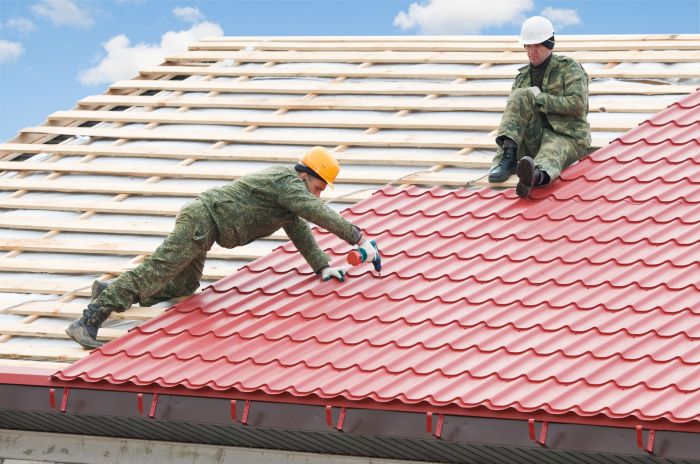
Working on roofs presents significant fall hazards. Therefore, comprehensive fall protection is mandatory. This includes the use of safety harnesses, anchor points securely attached to the roof structure (not chimneys or other unstable elements), and properly installed lifelines. Workers should always use appropriate footwear with slip-resistant soles. Tools should be secured to prevent them from falling and causing injury or damage. Proper scaffolding or ladders, inspected regularly for stability and damage, must be employed when necessary. Roof work should never be attempted in adverse weather conditions such as high winds or rain.
Legal Responsibilities of Homeowners and Contractors
Homeowners are responsible for maintaining their roofs in a safe and structurally sound condition. This includes regular inspections for damage, prompt repairs of leaks or other defects, and ensuring the roof meets local building codes. Contractors, in turn, are legally bound to perform work according to building codes, use appropriate safety measures, and obtain necessary permits. They must also provide homeowners with clear contracts detailing the scope of work, materials to be used, and the total cost. Failure to fulfill these responsibilities can lead to legal action from homeowners or regulatory bodies.
Potential Hazards and Risk Mitigation
Roof work presents a multitude of hazards. Effective risk mitigation strategies are essential for a safe working environment.
- Falls: Use fall protection systems (harnesses, lifelines, anchor points) at all times. Employ scaffolding or ladders for safe access.
- Electrocution: Maintain a safe distance from power lines. Contact utility companies to de-energize lines if necessary.
- Material Handling Injuries: Use proper lifting techniques and mechanical aids to move heavy roofing materials. Wear appropriate protective gear, such as gloves and safety glasses.
- Exposure to the elements: Work should be halted during inclement weather conditions. Appropriate sun protection and hydration should be provided.
- Sharp objects and falling debris: Wear appropriate protective clothing, including hard hats and safety glasses. Secure materials to prevent them from falling.
- Slip and fall hazards: Use slip-resistant footwear. Keep the work area clean and free of debris.
Ultimate Conclusion: Proper Roof
Source: co.uk
Building and maintaining a proper roof is a multifaceted endeavor, requiring careful planning, skilled execution, and consistent upkeep. By understanding the fundamentals of roof design, construction, and maintenance, you can significantly extend the lifespan of your roof, protect your home from the elements, and enhance its overall value. Remember, a well-maintained roof is an investment in the safety, comfort, and longevity of your home. This guide provides a solid foundation for navigating the world of roofing and ensuring your home remains secure and protected for years to come.
Key Questions Answered
What is the average lifespan of a roof?
The lifespan varies greatly depending on the materials used, climate, and maintenance. Asphalt shingles typically last 15-30 years, while tile and metal roofs can last 50 years or more.
How often should I inspect my roof?
At least twice a year, ideally in spring and fall, to check for damage, leaks, or signs of wear and tear. After severe weather, an immediate inspection is crucial.
What are the signs of a failing roof?
Signs include missing or damaged shingles, leaks, sagging, water stains on ceilings or walls, and the presence of moss or algae.
Can I repair my roof myself?
Minor repairs, like replacing a few shingles, might be manageable for DIYers with experience. However, significant repairs or complete roof replacements are best left to qualified professionals for safety and structural integrity.
How do I find a reputable roofing contractor?
Check online reviews, get multiple quotes, verify licensing and insurance, and ask for references. Look for contractors with experience and a proven track record.
Comments are closed.