Changing the Siding on Your House A Complete Guide

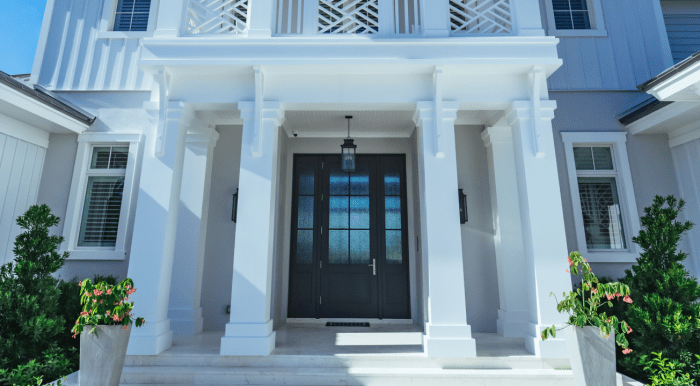
Changing the siding on your house is a significant home improvement project that can dramatically enhance your home’s curb appeal, protect it from the elements, and even increase its value. This guide will walk you through every step of the process, from choosing the right siding material to completing the installation and maintaining your new siding for years to come. We’ll explore various siding options, delve into the planning and preparation phases, and provide practical advice on installation techniques and cost considerations. Get ready to transform your home’s exterior!
This comprehensive guide covers all aspects of replacing your house siding, from selecting the ideal material to managing the project budget and ensuring long-term maintenance. We’ll examine different siding types—vinyl, wood, fiber cement, and metal—comparing their costs, durability, maintenance needs, and aesthetic qualities. You’ll learn how to plan your project effectively, including obtaining the necessary permits and gathering the right tools. Step-by-step instructions will guide you through the installation process, addressing common challenges and providing solutions. Finally, we’ll offer insights into cost management, contractor selection, and long-term maintenance strategies.
Types of Siding Materials
Choosing the right siding for your home is a significant decision impacting aesthetics, durability, and long-term costs. This section compares popular siding materials to help you make an informed choice. We’ll examine vinyl, wood, fiber cement, and metal siding, considering cost, durability, maintenance, and environmental impact.
Siding Material Comparison
The following table summarizes the key characteristics of each siding type. Remember that prices and lifespans can vary based on quality, installation, and climate.
| Siding Material | Cost (Relative) | Durability | Maintenance | Aesthetic Appeal |
|---|---|---|---|---|
| Vinyl | Low | Moderate (can crack or fade) | Low (occasional cleaning) | Wide variety of colors and styles; can mimic other materials |
| Wood | Medium-High | High (with proper maintenance) | High (painting, staining, sealing every few years) | Classic, natural look; many styles and finishes available |
| Fiber Cement | Medium-High | High (resistant to fire, rot, and insects) | Medium (occasional cleaning, repainting every 10-15 years) | Versatile; can mimic wood or other textures |
| Metal | High | Very High (extremely durable and long-lasting) | Low (minimal maintenance needed) | Modern, sleek look; available in various colors and finishes |
Vinyl Siding
Vinyl siding is a popular choice due to its affordability and low maintenance. It’s relatively easy to install and comes in a wide range of colors and styles. However, it can be susceptible to cracking or fading in extreme temperatures, and it’s not as durable as other options. Lifespan is typically 20-30 years, with minimal maintenance beyond occasional cleaning. Recyclability is limited, though some manufacturers are improving recycling programs.
Wood Siding
Wood siding offers a classic, natural look and can significantly increase a home’s curb appeal. However, it requires more maintenance than vinyl, including regular painting or staining to protect it from the elements. Wood is susceptible to rot, insect infestation, and fire damage. With proper maintenance, wood siding can last 50 years or more. The environmental impact depends heavily on the type of wood used; sustainably harvested wood is preferable.
Fiber Cement Siding
Fiber cement siding combines the durability of cement with the versatility of wood. It’s highly resistant to fire, rot, insects, and impact damage, making it a long-lasting and low-maintenance option. It’s more expensive than vinyl but less expensive than metal. Expect a lifespan of 50 years or more, with occasional cleaning and repainting every 10-15 years. The manufacturing process has a higher environmental impact than vinyl, but the long lifespan and durability offset this to some degree. Recycling options are currently limited.
Metal Siding
Metal siding, often made of aluminum or steel, offers exceptional durability and longevity. It’s highly resistant to damage from weather, fire, and insects, requiring minimal maintenance. It’s also a more sustainable option as it’s highly recyclable. However, it’s the most expensive siding option and can be susceptible to dents. Lifespan is typically 50 years or more. The initial cost is offset by the long lifespan and low maintenance.
Planning and Preparation
Replacing your home’s siding is a significant undertaking, requiring careful planning and preparation to ensure a successful and long-lasting result. Thorough preparation minimizes unforeseen issues and helps you stay within budget and schedule. This section Articulates the key steps to take before you even pick up a tool.
Proper planning is crucial for a smooth siding replacement project. This includes securing necessary permits, gathering the right tools and materials, and meticulously preparing the existing wall surface. Overlooking these steps can lead to delays, increased costs, and even compromised structural integrity.
Permitting and Inspections
Securing the necessary permits and scheduling inspections is a vital first step. Contact your local building department to determine what permits are required for your siding replacement project. This typically involves submitting plans outlining the type of siding, materials, and any structural changes. Inspections will be scheduled at various stages of the project to ensure compliance with building codes and safety regulations. Failing to obtain the necessary permits can result in hefty fines and potential project delays. Remember to keep all permit and inspection documentation readily available throughout the process.
Tools and Materials
A well-organized list of tools and materials is essential for efficient work. Having everything readily available saves time and avoids costly delays. The specific quantities will depend on the size of your house and the type of siding being installed.
- Safety Gear: Safety glasses, work gloves, dust mask, hearing protection, hard hat.
- Measuring and Marking Tools: Measuring tape, chalk line, level, speed square.
- Cutting Tools: Circular saw (with appropriate blades for siding material), hand saw, utility knife.
- Fastening Tools: Nail gun (with appropriate nails), hammer, drill (with appropriate drill bits).
- Other Tools: Putty knife, caulk gun, ladder, scaffolding (if necessary), pry bar, wire brush.
- Siding Materials: The specific siding material (vinyl, wood, fiber cement, etc.), underlayment, flashing, trim boards, fasteners.
- Sealants and Adhesives: Caulk, construction adhesive.
- Other Materials: Wood blocking (if necessary), backer board (if necessary), paint or stain (if applicable).
Surface Preparation
Proper surface preparation is paramount for a successful siding installation. A poorly prepared surface can lead to issues like uneven siding, premature failure, and compromised aesthetics. The process typically involves these key steps:
- Cleaning: Thoroughly clean the existing wall surface using a pressure washer or brush to remove dirt, loose paint, cobwebs, and other debris. Pay close attention to removing any mildew or mold growth. Use a suitable cleaning solution if necessary, following the manufacturer’s instructions carefully.
- Repairing: Identify and repair any damaged areas of the existing wall, such as cracks, holes, or rotted wood. Repair techniques will vary depending on the nature and extent of the damage. This might involve patching, replacing damaged sections of sheathing, or applying waterproof sealant.
- Inspecting: Carefully inspect the entire wall surface for any signs of insect infestation, water damage, or structural issues. Address these problems before installing the new siding. This may require consulting a professional for more extensive repairs.
Installation Process
Source: hardieboysinc.com
Installing new siding is a significant undertaking, requiring careful planning and execution to ensure a durable and aesthetically pleasing result. The process varies slightly depending on the siding material chosen, but some fundamental principles remain consistent across all types. Proper preparation, precise measurements, and attention to detail are key to a successful installation.
This section details the installation process for several common siding types, highlighting best practices for each and addressing potential challenges.
Installing Vinyl Siding
Vinyl siding is popular due to its affordability, low maintenance, and ease of installation. However, proper installation techniques are crucial to prevent problems like warping or cracking.
- Starting at a Corner: Begin installation at a corner, ensuring the first piece is perfectly aligned and level. Use a level to check frequently.
- Overlapping and Fastening: Overlap each subsequent piece by the manufacturer’s recommended amount, typically about 1/2 inch. Secure each piece with nails or staples, avoiding overdriving to prevent damage. Nails should be placed near the top and bottom of each panel.
- J-Channel and Finishing: Use J-channel around windows and doors for a clean finish. Carefully cut and fit pieces around corners and other architectural features.
- Caulking: Apply a high-quality exterior-grade caulk to seal gaps around windows, doors, and other penetrations.
Installing Fiber Cement Siding
Fiber cement siding offers superior durability and fire resistance compared to vinyl. Its heavier weight and more complex installation process require more experience and potentially specialized tools.
- Precision Cutting: Fiber cement requires precise cuts, often necessitating a wet saw to avoid damaging the edges. Accurate measurements are essential.
- Fastening and Spacing: Use corrosion-resistant nails or screws, spacing them according to the manufacturer’s specifications. Over-fastening can cause cracking.
- Water Management: Proper flashing and sealing around windows and doors are crucial to prevent water penetration. Use appropriate sealants and flashing materials.
- Careful Handling: Fiber cement is brittle and can easily chip or crack. Handle it carefully during installation.
Installing Wood Siding
Wood siding offers a classic, natural look, but requires more maintenance than vinyl or fiber cement. Proper preparation and treatment are essential for longevity.
- Pre-Treatment: Apply a high-quality wood preservative and primer before installation to protect against rot and insect infestation.
- Spacing and Fastening: Allow for proper spacing between boards for expansion and contraction. Use galvanized nails or screws to minimize rusting.
- Caulking and Sealing: Caulk all seams and joints to prevent water intrusion. Consider using a sealant to protect against moisture damage.
- Finishing: Apply a high-quality exterior paint or stain to protect the wood and enhance its appearance. Multiple coats are usually recommended.
Managing Waste Materials
Proper waste management is crucial during siding replacement. Minimizing waste and recycling materials whenever possible is environmentally responsible and can save on disposal costs.
- Recycling: Many recycling centers accept vinyl siding and some types of wood siding. Check with your local waste management facility for details.
- Disposal: Old siding that cannot be recycled should be disposed of according to local regulations. This may involve using designated disposal sites or hiring a waste removal service.
- Material Sorting: Separate different materials (wood, vinyl, metal) before disposal to simplify the recycling or disposal process.
Addressing Installation Challenges
Uneven walls and difficult corners are common challenges during siding installation. Proper planning and techniques can mitigate these issues.
- Uneven Walls: Use shims to level out uneven wall surfaces before installing siding. This ensures a smooth, even finish.
- Difficult Corners: Use specialized corner trim or carefully cut and fit pieces to create a neat and watertight seal around corners. Take extra time to ensure proper alignment and overlap.
- Cutting and Fitting: Precise measuring and cutting are essential, especially around windows, doors, and other complex areas. Consider using a template to ensure accurate cuts.
Cost Considerations
Replacing your home’s siding is a significant investment, and understanding the associated costs is crucial for effective budgeting and project planning. This section breaks down the typical expenses involved, offering guidance on securing competitive bids and exploring financing options.
Cost Breakdown, Changing the siding on your house
The total cost of siding replacement varies greatly depending on factors like house size, siding material chosen, labor rates in your area, and the complexity of the project (e.g., existing damage requiring repair). The following table provides a general estimate of cost components. Remember that these are averages and your actual costs may differ.
| Cost Component | Low-End Estimate | Mid-Range Estimate | High-End Estimate |
|---|---|---|---|
| Materials (Siding, Trim, Flashing) | $3,000 – $5,000 | $6,000 – $10,000 | $12,000 – $20,000+ |
| Labor | $4,000 – $7,000 | $8,000 – $14,000 | $16,000 – $30,000+ |
| Permits | $200 – $500 | $500 – $1,000 | $1,000 – $2,000+ |
| Waste Disposal | $100 – $300 | $300 – $600 | $600 – $1,200+ |
| Total Estimated Cost | $7,300 – $12,800 | $14,800 – $25,600 | $29,600 – $51,200+ |
Finding Reputable Contractors
Securing competitive bids from multiple reputable contractors is vital. Start by asking for referrals from friends, family, or neighbors who have recently completed similar projects. Check online reviews and ratings on sites like Angie’s List, Yelp, or HomeAdvisor. Verify contractor licenses and insurance. Ensure the contractor provides a detailed, written contract outlining the scope of work, payment schedule, and warranty information. Don’t hesitate to ask for references and contact them to inquire about their experiences.
Financing Options
Several financing options are available for major home improvement projects like siding replacement. Home equity loans or lines of credit (HELOCs) utilize your home’s equity as collateral. Personal loans offer another avenue, though interest rates may be higher. Some contractors may offer financing plans, or you might explore options through your bank or credit union. Carefully compare interest rates, loan terms, and fees before committing to a financing option. For example, a 10-year loan at 7% interest on a $15,000 project would result in significantly higher overall costs than a 5-year loan at the same rate. Consider the long-term financial implications before making your decision.
Maintenance and Repair
Source: made-in-china.com
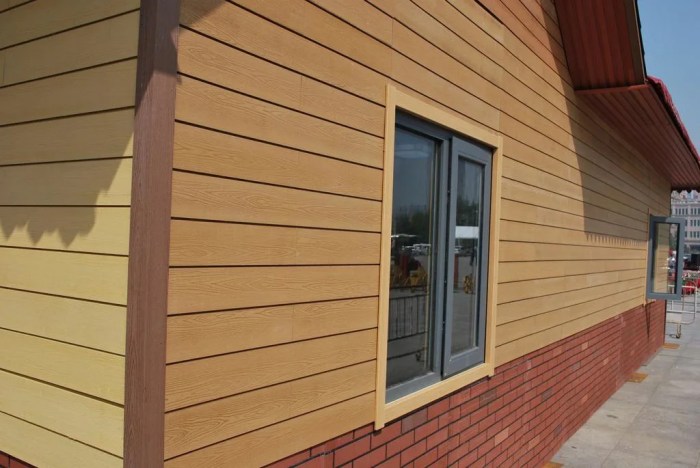
Proper siding maintenance is crucial for preserving your home’s curb appeal and protecting it from the elements. Regular cleaning, prompt repairs, and occasional repainting can significantly extend the lifespan of your siding and save you money on costly replacements down the line. Neglecting maintenance can lead to premature deterioration, requiring extensive and expensive repairs.
Siding Maintenance by Material Type
Different siding materials require unique care and maintenance strategies. Understanding these differences is essential for effective upkeep. Ignoring these material-specific needs can lead to faster degradation and necessitate more frequent, costly repairs.
- Vinyl Siding: Vinyl siding is relatively low-maintenance. Regular cleaning with a garden hose and mild detergent is usually sufficient. Avoid harsh chemicals or abrasive cleaners that can scratch the surface. Minor repairs, such as replacing damaged panels, are relatively straightforward and can often be done by a homeowner. Painting is generally not recommended, as it can void the manufacturer’s warranty.
- Wood Siding: Wood siding requires more diligent maintenance than vinyl. Regular cleaning with a pressure washer (low-pressure setting) and wood cleaner is necessary to remove dirt, mildew, and algae. Wood siding should be inspected for cracks, rot, and insect infestation. Damaged areas need prompt repair or replacement. Repainting or restaining every few years is essential to protect the wood from the elements. Proper sealing is crucial to prevent moisture damage.
- Fiber Cement Siding: Fiber cement siding is durable and low-maintenance. Regular cleaning with a garden hose and mild detergent is usually sufficient. Avoid harsh chemicals or abrasive cleaners. Repairing damaged panels typically requires professional help, as it often involves cutting and fitting new pieces. Painting is recommended every 5-10 years to maintain the siding’s appearance and protect it from the elements.
- Metal Siding: Metal siding is extremely durable and requires minimal maintenance. Regular cleaning with a garden hose and mild detergent is usually all that’s needed. Minor dents can often be repaired with a hammer and dolly. However, severe damage usually requires professional assistance. Painting is generally not necessary unless the finish is significantly damaged or faded.
Identifying and Addressing Siding Damage
Early detection and prompt repair of siding damage are essential to prevent further deterioration and costly repairs. Regular inspections can help identify problems before they become major issues.
- Cracks and Holes: Cracks and holes in siding can allow moisture to penetrate, leading to rot and insect infestation. These should be repaired promptly using appropriate fillers or patching materials. For larger holes, replacement of the damaged section may be necessary.
- Rot and Decay: Rot and decay are common problems in wood siding, particularly in areas exposed to moisture. Affected areas should be cut out and replaced with new wood. Preventative measures, such as proper sealing and ventilation, are crucial to prevent rot.
- Loose or Damaged Panels: Loose or damaged siding panels should be repaired or replaced to prevent further damage and maintain the integrity of the siding system. Loose panels can be secured with nails or screws. Damaged panels may need to be replaced entirely.
- Mildew and Algae: Mildew and algae growth are common on siding, especially in humid climates. Regular cleaning with a pressure washer (low-pressure setting) and appropriate cleaning solutions can remove these growths. Preventative measures include ensuring proper ventilation and drainage.
- Insect Infestation: Insect infestation can cause significant damage to siding, especially wood siding. Regular inspections can help identify signs of infestation, such as holes, tunnels, or insect droppings. Professional pest control may be necessary to eliminate the infestation and prevent further damage.
Regular Inspections and Preventative Maintenance
Regular inspections and preventative maintenance are essential for extending the lifespan of your siding. A yearly inspection is recommended, paying close attention to areas prone to damage, such as corners, seams, and areas exposed to direct sunlight or moisture. Simple preventative measures, such as cleaning gutters and downspouts regularly to prevent water damage, can significantly extend the life of your siding. Addressing minor issues promptly will prevent them from escalating into larger, more expensive problems. For example, a small crack ignored can lead to significant water damage and require costly panel replacement later. Similarly, failing to address mildew promptly could lead to widespread damage and necessitate a complete repainting.
Visual Examples
Seeing is believing! Let’s explore how different siding choices transform the look of a home. We’ll examine three distinct examples, highlighting the interplay between siding material, color, trim, and architectural style. Then, we’ll look at a before-and-after case study to truly appreciate the impact of a siding replacement.
Three Distinct House Exteriors
This section showcases three diverse homes, each demonstrating the versatility of siding materials in achieving different aesthetic goals. The descriptions highlight the successful integration of siding, color, and trim details to create a cohesive and visually appealing exterior.
- Home 1: Classic Colonial with Vinyl Siding: Imagine a two-story Colonial home with crisp white vinyl siding. The siding is a smooth, low-maintenance option, complemented by dark green shutters and a dark brown front door. White trim accents the windows and roofline, creating a clean, traditional look. The overall aesthetic is one of timeless elegance and understated sophistication. The vinyl siding’s durability and ease of cleaning make it a practical choice for this busy family home.
- Home 2: Modern Farmhouse with Fiber Cement Siding: This home features a sleek, modern farmhouse design with deep gray fiber cement siding. The texture of the fiber cement adds visual interest, mimicking the look of wood without the high maintenance. Black windows and a contrasting white front door provide a striking contrast. Simple, clean lines and a lack of excessive ornamentation contribute to the home’s contemporary appeal. The fiber cement’s durability and resistance to fire and insects make it an excellent choice for this rural setting.
- Home 3: Craftsman Bungalow with Wood Siding: This charming Craftsman bungalow boasts rich, warm-toned cedar wood siding. The natural wood grain adds texture and character, enhancing the home’s rustic charm. The siding is complemented by exposed beams, a wide porch, and stone accents around the foundation. A muted green color scheme on the trim and door further complements the natural wood tones. While higher maintenance than other options, the beauty and unique character of the wood siding create a truly inviting and distinctive home.
Before-and-After Siding Replacement
Consider a modest ranch-style home with aging, faded aluminum siding. The color is dull, the siding is showing signs of wear and tear, and the overall impression is one of neglect. After the siding replacement, the same home now boasts freshly installed, deep blue fiber cement siding. The updated siding dramatically improves the home’s curb appeal. The crisp, clean lines and vibrant colors create a feeling of modernity and freshness. New white trim and a bright red front door add pops of color and further enhance the overall transformation. The updated home is now visually appealing and inviting, reflecting a significant increase in its market value.
Visual Impact of Siding Textures and Colors
The texture and color of siding significantly influence a home’s overall appearance. Smooth siding, such as vinyl or some fiber cement options, provides a clean, modern look, while textured siding, like wood or certain types of fiber cement, offers a more rustic or traditional feel. Color choices also play a crucial role. Light colors can make a home appear larger and brighter, while darker colors create a more dramatic and imposing presence. The choice should always complement the architectural style of the home. For example, aCraftsman-stylee home might look best with earthy tones and textured siding, while a modern home might suit a sleek, smooth surface with a bold color. Careful consideration of these elements ensures a harmonious and visually pleasing result.
Final Conclusion: Changing The Siding On Your House
Source: made-in-china.com
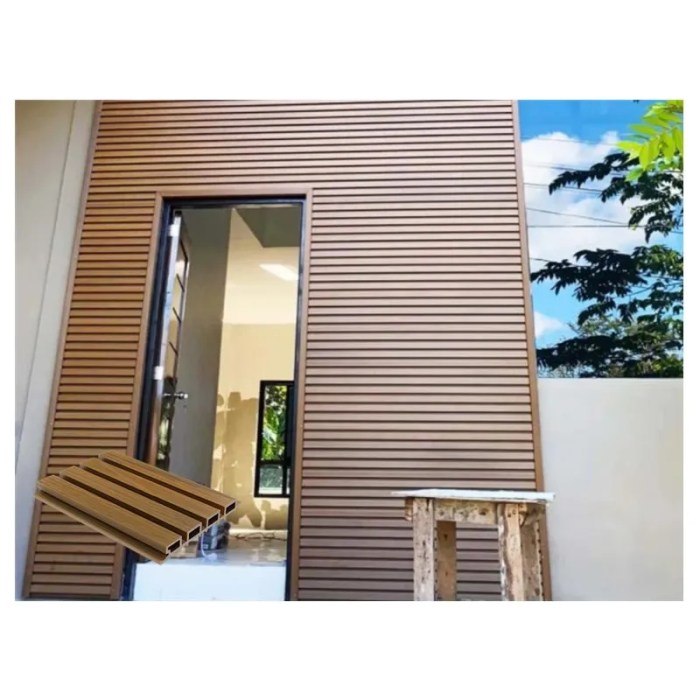
Transforming your home’s exterior with new siding is a rewarding project that combines aesthetics and functionality. By carefully considering the factors Artikel in this guide—from material selection and planning to installation and maintenance—you can achieve a stunning result that enhances your home’s beauty and protects it for years to come. Remember, thorough planning, careful execution, and proactive maintenance are key to a successful siding replacement. Enjoy your newly sided home!
Common Queries
What is the average lifespan of different siding materials?
Vinyl siding typically lasts 20-30 years, wood siding 20-50 years (depending on the type and maintenance), fiber cement siding 50+ years, and metal siding 50+ years.
Can I install the siding myself, or do I need a professional?
While DIY is possible for some types of siding, particularly vinyl, professional installation is often recommended for more complex materials like fiber cement or metal, ensuring proper installation and avoiding potential warranty issues.
How do I choose the right siding color for my house?
Consider your home’s architectural style, surrounding landscape, and personal preferences. Look at color palettes and consult with a design professional for guidance.
What are the potential environmental impacts of different siding materials?
Some materials, like vinyl, have higher embodied carbon than others. Consider recycled content and recyclability at end-of-life when making your selection.
What type of permits are typically required for siding replacement?
Building permits are often required; check with your local building department for specific requirements in your area.
Comments are closed.