Average Siding Replacement Cost A Comprehensive Guide

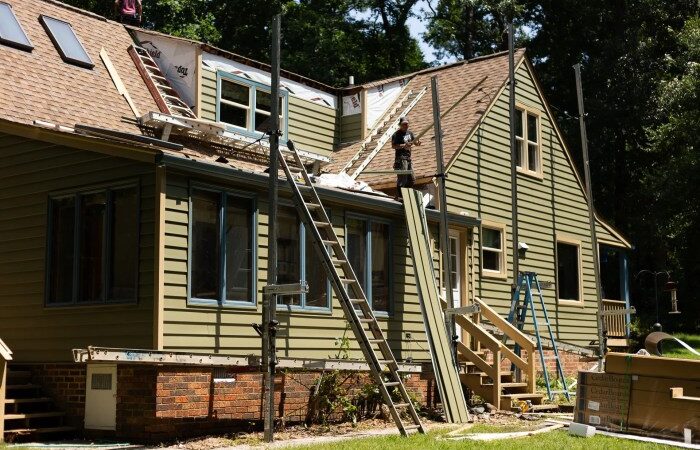
Average siding replacement cost is a significant consideration for homeowners. Understanding the factors that influence this cost, from material selection to labor expenses and regional differences, is crucial for budgeting and planning a successful project. This guide will unravel the complexities of siding replacement, empowering you to make informed decisions and avoid unexpected expenses. We’ll explore various siding materials, delve into labor costs, and uncover potential hidden costs to ensure a smooth and financially sound renovation.
From the initial assessment of your home’s exterior to the final installation, we’ll provide a clear and comprehensive overview. We’ll compare the costs and lifespans of different siding materials, helping you choose the best option for your budget and aesthetic preferences. Learn how to select a reliable contractor, negotiate prices, and avoid common pitfalls. By the end of this guide, you’ll be equipped to navigate the siding replacement process with confidence.
Factors Influencing Siding Replacement Cost
Source: cdn-website.com
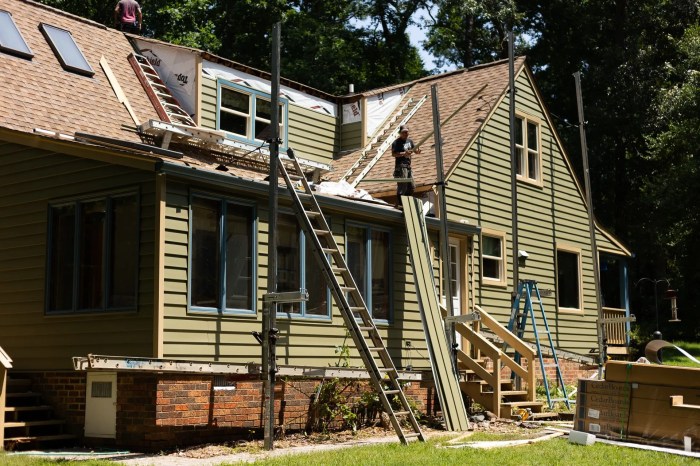
Replacing your siding is a significant home improvement project, and understanding the factors that influence the cost is crucial for budgeting and planning. Several key elements contribute to the final price, from the type of siding chosen to the geographic location of your home. Let’s explore these factors in detail.
Siding Material Costs
The type of siding you select significantly impacts the overall cost. Different materials offer varying levels of durability, aesthetics, and maintenance requirements, all of which influence pricing. Vinyl siding is generally the most affordable option, offering a balance of cost-effectiveness and durability. Wood siding, while aesthetically pleasing, tends to be more expensive due to higher material costs and the need for regular maintenance. Fiber cement siding provides excellent durability and fire resistance but comes with a higher price tag than vinyl or wood. The following table summarizes the cost differences:
| Siding Material | Cost per Square Foot (Estimate) | Pros | Cons |
|---|---|---|---|
| Vinyl | $3-$10 | Affordable, low maintenance, variety of styles | Can fade or dent, less durable than other options |
| Wood | $8-$20+ | Classic look, natural beauty, can be customized | High maintenance, susceptible to rot and insect damage, expensive |
| Fiber Cement | $10-$25+ | Durable, fire-resistant, low maintenance | More expensive than vinyl, can be brittle |
*Note: These are estimates and can vary based on region, supplier, and specific product features.*
Labor Costs
Labor costs represent a substantial portion of the total siding replacement expense. The complexity of the project, the size of your home, and the experience level of the contractor all affect labor costs. A straightforward replacement on a smaller home with simple siding removal will cost less than a complex project involving extensive repairs, intricate detailing, or the removal of difficult-to-manage materials like asbestos siding. Furthermore, experienced and highly-rated contractors often charge more per hour than less experienced ones. For example, a simple vinyl siding replacement on a small ranch house might cost less than half the price of a complex fiber cement installation on a two-story home with intricate trim work.
Project Size and Complexity
The size of your home directly correlates with the amount of siding needed and the labor hours required. Larger homes naturally require more material and labor, leading to higher overall costs. Beyond size, the project’s complexity plays a significant role. Removing existing siding, particularly if it’s damaged or difficult to remove, adds time and expense. Necessary repairs to underlying sheathing or structural elements further increase the cost. For instance, replacing damaged sheathing before installing new siding will increase the project’s duration and labor cost.
Regional Variations in Cost
Geographic location influences both material and labor costs. Material prices fluctuate based on transportation costs and local supply and demand. Labor rates also vary regionally; areas with a higher cost of living generally have higher labor rates. For example, siding replacement in a densely populated coastal city will likely be more expensive than in a rural area due to higher material and labor costs. Similarly, areas prone to extreme weather conditions might require more robust materials, increasing overall costs.
Average Costs by Siding Material
Choosing the right siding material significantly impacts the overall cost of your home exterior renovation. The price per square foot varies greatly depending on the material, its quality, and the complexity of the installation. Understanding these differences is crucial for budgeting effectively. This section breaks down the average costs and lifespans of common siding materials.
The following list details the average costs per square foot for various siding materials. Remember that these are estimates, and actual costs can vary based on factors like labor costs in your region, material quality, and project complexity. Always obtain multiple quotes from reputable contractors for a precise cost estimate for your specific project.
- Vinyl Siding: $3-$12 per square foot. Vinyl offers a wide range of styles and colors, from basic to more elaborate options that mimic wood or stone. Installation is generally straightforward and relatively quick.
- Wood Siding: $10-$30+ per square foot. Wood siding provides a classic, natural look, but requires more maintenance than other options. Prices vary widely depending on the type of wood (e.g., cedar, redwood) and its quality.
- Fiber Cement Siding: $8-$20+ per square foot. Fiber cement is a durable and low-maintenance option that closely resembles wood. It’s resistant to fire, rot, and insects, making it a long-term investment.
- Aluminum Siding: $5-$15 per square foot. Aluminum siding is lightweight, durable, and relatively inexpensive. It’s often chosen for its low maintenance and resistance to damage from the elements.
Siding Material Lifespans and Long-Term Costs
The lifespan of your siding significantly influences the long-term cost. A longer-lasting material might have a higher upfront cost but could save money in the long run by reducing the need for frequent replacements.
- Vinyl Siding: 20-50 years. While generally durable, extreme weather conditions can affect its lifespan. A high-quality vinyl siding installation can easily last for decades.
- Wood Siding: 20-50 years (with proper maintenance). Wood siding is susceptible to rot, insect damage, and weathering. Regular maintenance, such as painting or staining, is essential to extend its life.
- Fiber Cement Siding: 50+ years. Its durability and resistance to damage make it one of the longest-lasting siding options. With proper installation, it can last well over half a century.
- Aluminum Siding: 40+ years. Aluminum siding is resistant to damage from insects, rot, and fire. Its longevity makes it a cost-effective option in the long run.
High-End and Budget-Friendly Siding Options
Within each material category, you’ll find a range of options catering to different budgets and aesthetic preferences.
- Vinyl Siding: Budget-friendly options often feature simpler designs and fewer color choices. High-end vinyl siding might mimic the look of wood or stone, offering more intricate textures and a wider color palette.
- Wood Siding: Budget-friendly options might use less expensive wood types like pine. High-end wood siding often utilizes premium materials like cedar or redwood, potentially featuring intricate patterns or custom milling.
- Fiber Cement Siding: Budget options often have simpler profiles and fewer color options. High-end fiber cement siding can offer sophisticated textures, colors, and designs, potentially including features that mimic the look of natural stone or brick.
- Aluminum Siding: Budget options usually have a plain, smooth finish. High-end aluminum siding might feature textured finishes, varied colors, and more elaborate designs.
Labor Costs and Contractor Selection
Source: bbsiding.com
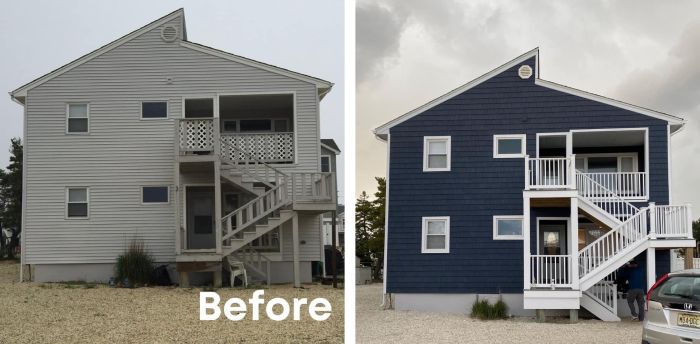
Siding replacement is a significant investment, and understanding labor costs and choosing the right contractor is crucial for a successful project. Labor represents a substantial portion of the overall cost, and selecting a qualified professional can prevent costly mistakes and ensure a quality installation. This section will guide you through understanding labor costs and making an informed decision when choosing your siding contractor.
Labor costs for siding installation are typically calculated either hourly or as a project-based rate. Hourly rates can vary widely depending on the contractor’s experience, location, and demand. Project-based rates are often more straightforward, providing a fixed price for the entire job. However, it’s important to ensure the project scope is clearly defined before agreeing to a fixed price to avoid unexpected additional charges. For example, a simple replacement of vinyl siding on a small house might cost between $3,000 and $6,000 for labor alone, while a more complex project involving extensive repairs or the installation of high-end materials on a larger home could easily exceed $10,000. These are rough estimates, and you should always get multiple quotes to compare prices.
Factors to Consider When Choosing a Siding Contractor
Choosing the right contractor is as important as choosing the right siding material. A reputable contractor will ensure a quality installation, protect your investment, and minimize potential problems. Consider these key factors:
- Experience: Look for contractors with extensive experience in siding installation. Years of experience often correlate with hhigher-qualityworkmanship and problem-solving skills. Inquire about the number of similar projects they’ve completed.
- Licensing and Insurance: Verify that the contractor holds the necessary licenses and insurance coverage. This protects you from potential liabilities in case of accidents or damage during the project. Request copies of their license and insurance certificates.
- References and Reviews: Check online reviews and request references from previous clients. Speaking to past clients can provide valuable insights into the contractor’s work ethic, communication skills, and overall customer satisfaction.
- Warranty and Guarantees: Inquire about warranties offered on both the workmanship and the materials used. A reputable contractor will stand behind their work and offer a comprehensive warranty.
- Clear Communication and Contract: Ensure clear and open communication throughout the process. The contractor should provide a detailed written contract outlining the scope of work, payment schedule, and project timeline. Review the contract carefully before signing.
Questions to Ask Potential Contractors, Average siding replacement cost
Asking the right questions is crucial in making an informed decision. The following checklist will help you gather the necessary information to compare contractors effectively:
- What is your experience with installing [type of siding] siding?
- Can you provide references from recent projects similar to mine?
- What is your process for handling unforeseen issues or changes during the project?
- What is your payment schedule, and what are your terms for cancellations or changes?
- What type of warranty do you offer on your workmanship and materials?
- What is your estimated timeline for completing the project?
- Do you have all the necessary licenses and insurance?
- Can you provide a detailed written contract outlining the scope of work and payment terms?
- What is your process for cleanup and waste disposal after the project is complete?
- What is your approach to addressing customer concerns or complaints?
Hidden Costs and Potential Add-ons
Replacing your siding is a significant investment, and while you’ll likely focus on the upfront costs of materials and labor, several hidden expenses and potential add-ons can significantly impact your final bill. Understanding these extra costs will help you budget accurately and avoid unpleasant surprises during the project. This section will Artikel common hidden costs and add-ons to consider when planning your siding replacement.
It’s crucial to remember that the final cost of your siding project can be influenced by unforeseen circumstances and additional features you may decide to include. Proper planning and clear communication with your contractor are key to managing these potential expenses effectively.
Hidden Costs Associated with Siding Replacement
Beyond the price of materials and labor, several unexpected expenses can arise during a siding replacement project. These hidden costs often stem from unforeseen structural issues or necessary permits and disposal fees. Failing to account for them can lead to budget overruns.
- Permits and Inspections: Most localities require permits for exterior home renovations. These fees vary depending on location and the scope of the project. You should also factor in the cost of inspections, which are typically required at different stages of the project to ensure compliance with building codes.
- Waste Disposal: Removing old siding generates significant waste. Disposal fees can be substantial, especially if you have a large house or complex siding removal requirements. Your contractor should provide a detailed estimate for waste removal.
- Underlying Structure Repairs: During siding removal, problems with the underlying sheathing, fascia, or soffit may be discovered. These repairs can add significantly to the overall cost, depending on the extent of the damage. For example, rotted wood may require extensive replacement.
- Unexpected Material Needs: Sometimes, the actual amount of materials needed differs from the initial estimate. This can occur due to unforeseen complexities in the house’s structure or variations in the siding material itself. A contingency budget is recommended to cover such situations.
Common Add-ons That Increase Project Cost
While the basic siding replacement includes the materials and labor for installing new siding, many homeowners opt for additional features that enhance the aesthetic appeal and functionality of their homes. These add-ons, while not strictly necessary, can increase the project’s total cost considerably.
- Trim Work: New trim around windows, doors, and the roofline can significantly improve the overall look. This adds both material and labor costs. Consider the type of trim (wood, vinyl, composite) and the complexity of the design when budgeting.
- Window and Door Flashing: Proper flashing is crucial to prevent water damage. If your existing flashing is old or damaged, replacing it during the siding project is recommended. This adds to the labor and material costs.
- Soffit and Fascia Replacement: These components are often damaged or deteriorated and may require replacement during siding installation. This is an additional cost that is sometimes overlooked.
- Insulation Upgrades: Taking advantage of the opportunity to add or upgrade insulation during siding replacement can improve energy efficiency. This will increase the project’s cost but could offer long-term savings.
Sample Cost Breakdown
The following table illustrates a sample cost breakdown, incorporating both expected and potential additional expenses. Remember that these figures are estimates and can vary widely depending on location, materials, and the complexity of the project.
| Item | Expected Cost | Potential Additional Costs |
|---|---|---|
| Siding Materials | $5,000 – $10,000 | $1,000 – $3,000 (material price fluctuations, unexpected needs) |
| Labor | $4,000 – $8,000 | $1,000 – $2,000 (unforeseen repairs, extra work) |
| Permits and Inspections | $500 – $1,000 | $200 – $500 (depending on local regulations and inspections needed) |
| Waste Disposal | $300 – $600 | $100 – $300 (depending on waste volume and disposal methods) |
| Trim Work (Optional) | $1,000 – $3,000 | $500 – $1,500 (depending on complexity and material choice) |
| Total Estimated Cost | $10,800 – $22,600 | $3,800 – $8,300 (potential increase due to add-ons and unforeseen issues) |
Illustrative Examples of Siding Replacement Projects
Source: factorydirectsiding.com
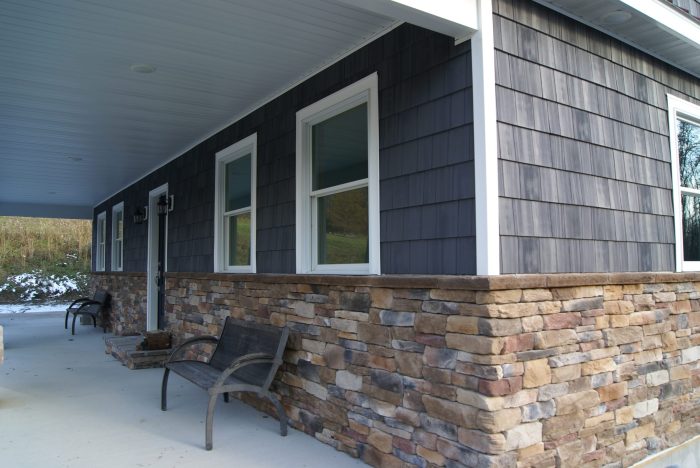
Understanding the cost of siding replacement involves considering various factors. The following examples illustrate the range of costs associated with different project scales and complexities. These examples are based on average national costs and may vary depending on location, labor rates, and material choices.
Let’s examine a few scenarios to clarify how different project aspects affect the final cost.
Mid-Range Siding Replacement Project
This example details a typical mid-range siding replacement project for a single-family home.
- Home Size: 1,500 square feet
- Siding Material: Vinyl siding – a popular choice for its durability and affordability.
- Material Cost: Approximately $6,000 – $9,000, depending on the quality and style of vinyl siding chosen.
- Labor Cost: Approximately $5,000 – $8,000, covering removal of old siding, installation of new siding, and necessary cleanup.
- Permits and Inspections: $500 – $1,000. This varies significantly by location.
- Total Estimated Cost: $11,500 – $18,000. This includes a contingency for unforeseen issues.
Complex Siding Replacement Project
This example illustrates a more complex project, highlighting factors contributing to increased costs.
Imagine a 2,500-square-foot Victorian-style home requiring extensive repairs before new siding can be installed. The existing wood siding is severely damaged, requiring significant rot repair and structural work. The homeowner opts for high-end fiber cement siding for its superior durability and aesthetic appeal.
- Extensive Repairs: The cost of repairing rotted wood and underlying structural issues adds substantially to the overall cost, potentially reaching $5,000-$10,000 or more.
- Premium Siding Material: Fiber cement siding is more expensive than vinyl, potentially costing $12,000 – $20,000 or more for a 2,500 sq ft home.
- Specialized Labor: The intricate detailing of Victorian architecture requires skilled labor, increasing labor costs significantly, potentially reaching $10,000 – $15,000.
- Total Estimated Cost: $27,000 – $45,000 or more. This is a significant increase compared to the mid-range project due to the extensive repairs and premium materials.
Cost Comparison: Small vs. Large Siding Replacement
The following table compares the cost differences between a small and large-scale siding replacement project, assuming similar material choices (vinyl siding) and labor rates.
| Feature | Small Project (500 sq ft) | Large Project (2500 sq ft) |
|---|---|---|
| Material Cost | $2,000 – $3,000 | $10,000 – $15,000 |
| Labor Cost | $2,000 – $3,000 | $8,000 – $12,000 |
| Permits & Inspections | $200 – $400 | $500 – $1,000 |
| Total Estimated Cost | $4,200 – $6,400 | $18,500 – $28,000 |
End of Discussion
Source: inchcalculator.com
Replacing your siding is a significant investment, but with careful planning and informed decision-making, you can achieve a beautiful and durable result that enhances your home’s curb appeal and value. Remember to factor in all potential costs, from materials and labor to permits and unforeseen repairs. By understanding the variables involved and following the guidance provided, you can successfully manage your siding replacement project and enjoy the long-term benefits of a beautifully updated home exterior. Don’t hesitate to seek multiple quotes from reputable contractors to ensure you’re getting the best value for your investment.
FAQ Overview: Average Siding Replacement Cost
What is the average lifespan of vinyl siding?
Vinyl siding typically lasts 20-30 years, depending on quality and exposure to the elements.
Can I do some of the siding replacement work myself to save money?
While some minor tasks might be DIY-friendly, professional installation is generally recommended for optimal results and warranty coverage. Attempting complex tasks without experience could lead to costly mistakes.
How important are permits for siding replacement?
Permits are often required for siding replacement projects. Check with your local building department to ensure compliance and avoid potential fines.
What should I look for in a reputable siding contractor?
Look for a contractor with proven experience, proper licensing and insurance, positive customer reviews, and a clear contract outlining project details and payment schedules.
What if I need to replace only a portion of my siding?
Partial siding replacement is possible, but the cost will depend on the extent of the repairs and the type of siding used. A professional assessment is recommended.
Comments are closed.