Replace House Siding A Complete Guide

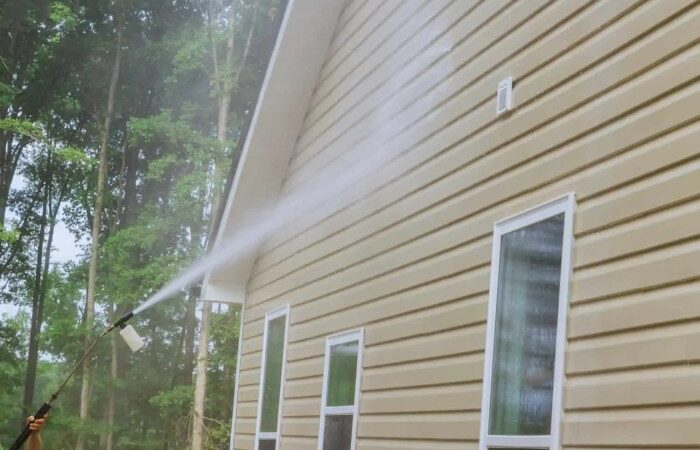
Replace house siding—it’s a significant home improvement project, but one that can dramatically enhance your home’s curb appeal and protect it from the elements. This guide walks you through every step, from choosing the right siding material to hiring a reputable contractor and maintaining your new siding for years to come. We’ll explore the various types of siding available, their pros and cons, installation techniques, cost considerations, and essential maintenance practices. Get ready to transform your home’s exterior!
Whether you’re aiming for a modern aesthetic or a classic look, understanding the different siding options is crucial. We’ll delve into the specifics of vinyl, wood, fiber cement, and metal siding, comparing their lifespans, maintenance needs, and costs. We’ll also cover the crucial steps involved in removing old siding, preparing your home’s exterior, and ensuring proper installation to avoid future problems. This comprehensive guide provides all the information you need to make informed decisions and complete your house siding replacement project.
Types of House Siding
Source: optimole.com
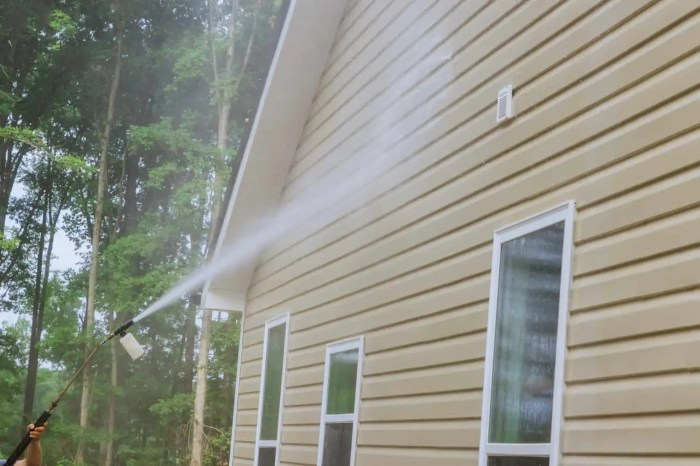
Choosing the right siding for your home is a crucial decision impacting its aesthetics, durability, and overall value. This section details the common types of house siding, outlining their advantages and disadvantages to help you make an informed choice.
Vinyl Siding
Vinyl siding is a popular choice due to its affordability and low maintenance. It’s made from polyvinyl chloride (PVC), a durable plastic that resists rot, insects, and moisture. Its smooth surface is easy to clean, and it comes in a wide variety of colors and styles to mimic wood, brick, or stone. However, vinyl siding can be susceptible to damage from extreme temperatures, and it may not be as aesthetically pleasing as some other options for those who prefer a more natural look. It also doesn’t hold up as well as other materials in high-wind areas and can fade over time, particularly in areas with intense sun exposure.
Wood Siding
Wood siding offers a classic, natural look and feel, adding warmth and character to a home. It’s a versatile material available in various species, each with its unique grain, texture, and color. However, wood requires regular maintenance, including painting or staining to protect it from the elements, and it’s susceptible to rot, insect infestation, and damage from moisture. Proper installation and ongoing upkeep are essential to extend its lifespan. The cost can also be significantly higher than vinyl, especially for premium wood species.
Fiber Cement Siding
Fiber cement siding combines the durability of cement with the workability of wood fibers. This creates a strong, long-lasting material that resists fire, rot, insects, and moisture. It’s available in a variety of styles and colors, and it can be painted to match any aesthetic. While more expensive than vinyl, fiber cement siding offers superior durability and requires less maintenance than wood. It’s a good option for homeowners seeking a low-maintenance, long-lasting, and aesthetically pleasing alternative to wood. However, it’s heavier than vinyl, requiring more robust installation.
Metal Siding
Metal siding, typically made of aluminum or steel, is highly durable and resistant to fire, rot, insects, and moisture. It’s also low maintenance and requires minimal upkeep. Metal siding comes in various styles and colors, and it can be designed to mimic other materials like wood or stone. Its durability makes it ideal for areas prone to extreme weather conditions, such as high winds or heavy snow. However, it can be more expensive than vinyl or wood siding, and it may dent or scratch more easily than other options. The metallic appearance might not be aesthetically suitable for all architectural styles.
Siding Material Comparison
The following table summarizes the lifespan, maintenance requirements, and cost of different siding materials. Note that costs are estimates and can vary widely depending on factors such as material quality, labor costs, and location.
| Material | Lifespan (Years) | Maintenance | Cost (per sq ft) |
|---|---|---|---|
| Vinyl | 20-40 | Low; occasional cleaning | $3-$8 |
| Wood | 15-50+ (depending on wood type and maintenance) | Moderate to High; regular painting/staining | $8-$20+ |
| Fiber Cement | 30-50+ | Low; occasional cleaning | $10-$15+ |
| Metal | 40-70+ | Very Low; occasional cleaning | $12-$20+ |
Aesthetic Considerations and Suitability
The aesthetic appeal of siding significantly impacts a home’s curb appeal. Vinyl siding offers a wide range of colors and styles, making it suitable for various architectural styles, from traditional to contemporary. Wood siding provides a classic, natural look, often preferred for homes with a rustic or traditional design. Fiber cement siding can mimic the look of wood or stone, offering versatility in style. Metal siding, while durable, often has a more modern, industrial aesthetic, suitable for contemporary or minimalist homes. The best choice depends on the homeowner’s personal preferences and the architectural style of the house. For example, a Victorian home might benefit from the detailed look achievable with wood siding, while a modern farmhouse could suit the clean lines of fiber cement.
Siding Removal and Preparation
Replacing your house siding is a significant undertaking, but proper preparation is key to a successful and long-lasting result. This section details the crucial steps involved in removing the old siding and preparing your home’s exterior for the new installation. Careful attention to detail during this phase will prevent future problems and ensure a professional-looking finish.
Preparing the house for new siding involves several key steps, starting with the safe and efficient removal of the existing siding. This process requires careful planning and the use of appropriate safety equipment. Subsequently, a thorough inspection and repair of the underlying sheathing is crucial to ensure a solid foundation for the new siding.
Siding Removal
Safe and efficient removal of the existing siding is paramount. Begin by disconnecting any electrical or plumbing fixtures attached to the siding. Always turn off the power to any electrical outlets or wiring before beginning work near them. Next, carefully remove the siding, starting from the top and working your way down. Use appropriate tools such as pry bars, hammers, and utility knives, taking care not to damage the underlying sheathing. Wear safety glasses and gloves to protect yourself from flying debris and sharp edges. Dispose of the old siding responsibly, according to local regulations. For vinyl siding, often the removal process involves carefully prying off individual panels, beginning at the top and working your way down, releasing the interlocking sections. For wood siding, removal might require more force and the use of a hammer and pry bar to separate boards that may be nailed or otherwise fastened. Always exercise caution to avoid damage to the underlying wall structure. If asbestos siding is present, professional removal is essential due to the health hazards associated with asbestos fibers.
Sheathing Inspection and Repair
Once the old siding is removed, thoroughly inspect the underlying sheathing for any damage, such as rot, insect infestation, or water damage. Repair any damaged areas by replacing rotten or damaged sections of sheathing with new, appropriately sized, and treated lumber. Secure the new sheathing with appropriate fasteners, ensuring a solid and level surface for the new siding. This step is crucial for preventing future problems and ensuring the longevity of the new siding installation. Any areas with significant damage should be addressed before proceeding to install the new siding. A poorly prepared surface will compromise the final result and potentially lead to costly repairs in the future.
Exterior Wall Preparation
Before installing the new siding, ensure the exterior walls are clean and free of any debris, loose paint, or other obstructions. Repair any cracks or holes in the sheathing using appropriate patching materials and techniques. Caulk any gaps or cracks around windows and doors to prevent air and water infiltration. Properly flashing around windows and doors is critical to prevent water damage. This involves installing a waterproof barrier to direct water away from the vulnerable areas around openings in the exterior wall. A visual representation of this would show a cross-section of a window, with the flashing material carefully installed to overlap the siding and direct water down and away from the window frame. A poorly installed flashing can lead to water intrusion, causing rot and damage to the wall structure. Finally, apply a water-resistant barrier, such as a building wrap, to protect the sheathing from moisture. This layer provides an additional layer of protection against water damage and improves the overall insulation of the house.
Siding Installation Methods
Source: championwindow.com
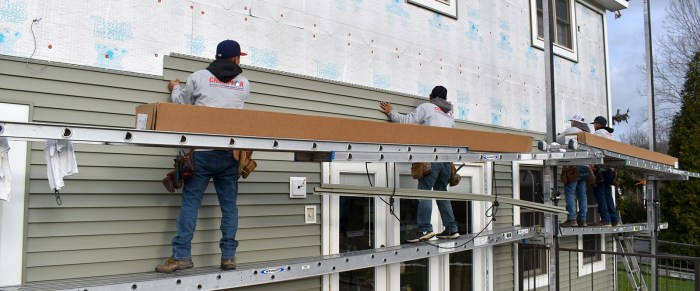
Installing new siding is a significant home improvement project, and the installation method varies considerably depending on the chosen material. Proper installation is crucial for longevity, weather protection, and the overall aesthetic appeal of your home. This section details the installation processes for three common siding types: vinyl, wood, and fiber cement, emphasizing best practices to avoid future problems.
Vinyl Siding Installation
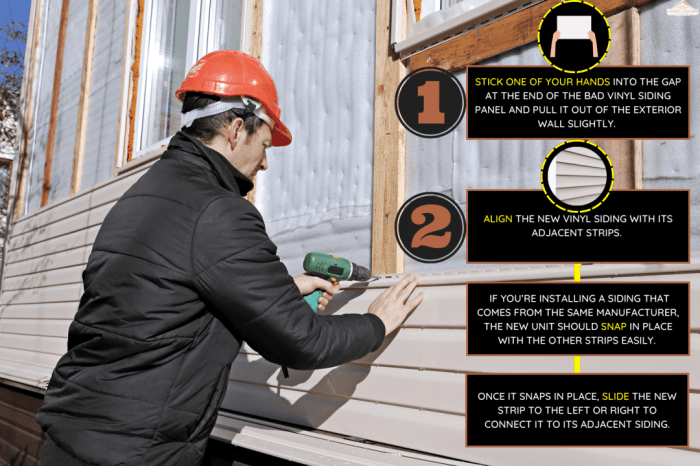
Vinyl siding is known for its ease of installation, making it a popular DIY choice. Installation typically begins at a corner, using J-channel to create a neat edge. Each panel is then overlapped and fastened to the sheathing using nails specifically designed for vinyl. Proper spacing between nails and panels is critical to allow for expansion and contraction due to temperature changes. Failure to account for this can lead to buckling or warping. The process continues until all panels are installed, with careful attention paid to trimming and fitting around windows and doors. Special trim pieces are used to create a clean finish at these points. Finally, a final piece of J-channel is used to complete the corner.
Wood Siding Installation
Wood siding installation is more labor-intensive and requires more skill than vinyl. Before installation, the wood siding should be treated with a preservative to protect it from rot, insects, and moisture damage. Installation typically involves nailing the siding to furring strips, which creates an air gap for ventilation and helps prevent moisture buildup. Proper spacing between boards is crucial to allow for expansion and contraction. The choice of nail size and type is also important to prevent splitting the wood. Different wood siding profiles (like clapboard or shiplap) have slightly different installation methods, requiring careful attention to overlap and alignment. Caulk is applied to seal gaps and prevent water intrusion.
Fiber Cement Siding Installation
Fiber cement siding offers durability and fire resistance but is heavier and more difficult to install than vinyl or wood. It typically requires professional installation due to its weight and the need for precise cutting and fitting. Like wood, it’s often installed over furring strips to allow for ventilation. Special nails designed for fiber cement are necessary to prevent cracking or splitting. Cutting fiber cement requires specialized tools and safety precautions due to the potential for creating hazardous dust. Careful planning and precise measurements are essential to avoid wasted materials and ensure a proper fit. The panels are fastened securely, and gaps are sealed with caulk to prevent water damage.
Comparison of Siding Installation Methods
The following table compares the installation methods for vinyl, wood, and fiber cement siding, highlighting their advantages and disadvantages:
| Siding Type | Advantages | Disadvantages |
|---|---|---|
| Vinyl |
|
|
| Wood |
|
|
| Fiber Cement |
|
|
Cost Considerations for Replacement
Replacing your house siding is a significant investment, and understanding the associated costs is crucial for budgeting and planning. This section breaks down the typical expenses involved, helping you create a realistic budget for your project. Remember that these are estimates, and actual costs can vary depending on several factors.
Cost Breakdown: Materials, Labor, and Permits
The total cost of siding replacement is typically composed of three main elements: materials, labor, and permits. Materials encompass the siding itself, along with necessary underlayment, flashing, trim, and fasteners. Labor costs reflect the time and expertise of the contractors involved in removing the old siding, preparing the house, and installing the new siding. Finally, permits are required in most jurisdictions to ensure compliance with building codes and regulations. The cost of permits varies widely depending on location and project scope. For example, a large project in a city with strict regulations might cost significantly more than a smaller project in a rural area with less stringent requirements.
Factors Influencing Overall Cost
Several factors can significantly impact the final cost of your siding replacement project. The size of your house is a primary determinant, with larger homes requiring more materials and labor. The type of siding you choose plays a crucial role; materials like fiber cement and brick siding are typically more expensive than vinyl or aluminum. Labor rates vary geographically and seasonally, with higher rates often seen in areas with a high cost of living or during peak construction seasons. The complexity of the project also influences the cost; houses with intricate architectural details or significant repairs needed before siding installation will require more time and labor, increasing the overall expense. Finally, unforeseen issues like rotted sheathing or extensive insect damage can add unexpected costs to the project. A seemingly minor issue like discovering extensive water damage behind the siding can lead to significant repair expenses before new siding can even be installed.
Sample Budget for Siding Replacement
To illustrate potential cost ranges, let’s consider a few scenarios for a typical single-family home:
| Scenario | House Size (sq ft) | Siding Material | Estimated Material Cost | Estimated Labor Cost | Estimated Permit Cost | Total Estimated Cost |
|---|---|---|---|---|---|---|
| Scenario 1: Budget-Friendly | 1500 | Vinyl | $4,500 | $6,000 | $300 | $10,800 |
| Scenario 2: Mid-Range | 2000 | Fiber Cement | $10,000 | $9,000 | $500 | $19,500 |
| Scenario 3: High-End | 2500 | Brick | $20,000 | $15,000 | $700 | $35,700 |
Note: These are estimates only. Actual costs may vary significantly based on the factors discussed above. It’s always recommended to obtain multiple quotes from reputable contractors before making a decision.
Finding and Hiring a Contractor
Replacing your house siding is a significant investment, and choosing the right contractor is crucial for a successful project. This involves more than just finding someone who offers the lowest price; you need a contractor who is reliable, experienced, and capable of delivering high-quality workmanship. Thorough research and careful vetting are essential steps to ensure a smooth and satisfactory renovation.
Finding a reputable siding contractor requires a multi-faceted approach. Start by asking for recommendations from friends, family, and neighbors who have recently had siding work done. Online resources, such as review websites and contractor directories, can also be helpful, but always cross-reference information and look for consistent positive feedback. Check local business associations and your state’s licensing board for registered contractors in your area.
Vetting Potential Contractors
Once you’ve compiled a list of potential contractors, it’s time to thoroughly vet each candidate. This involves more than simply reviewing their online presence; you should actively engage with them to assess their qualifications and professionalism. A thorough vetting process helps minimize risks and ensures you are working with a qualified and trustworthy professional.
- Verify Licensing and Insurance: Confirm that the contractor holds the necessary licenses and insurance coverage for the type of work you need. This protects you from potential liabilities in case of accidents or damages during the project. Request copies of their license and insurance certificates and verify their validity with the relevant authorities.
- Check References and Reviews: Contact previous clients to inquire about their experience with the contractor. Pay attention to details like project timelines, communication, cleanup, and the overall quality of workmanship. Online reviews can be helpful but treat them critically, looking for patterns and consistency in feedback rather than focusing on individual comments.
- Assess Experience and Expertise: Inquire about the contractor’s experience with similar projects and their familiarity with the type of siding you’ve chosen. Ask to see examples of their previous work, including photos and addresses if possible. A contractor with extensive experience in installing the specific siding type you’ve selected will likely deliver better results.
- Review the Contract Carefully: Before signing any contract, thoroughly review all terms and conditions, including payment schedules, project timelines, warranties, and dispute resolution mechanisms. Do not hesitate to ask for clarification on anything you don’t understand. A well-defined contract protects both you and the contractor.
Obtaining and Comparing Multiple Quotes
Getting multiple quotes from different contractors is essential for making an informed decision. This allows you to compare pricing, services, and overall value. Avoid focusing solely on the lowest price; consider the contractor’s reputation, experience, and the overall quality of their proposal. A slightly higher price might be justified by superior workmanship, a comprehensive warranty, or a more detailed project plan.
For example, consider three quotes: Contractor A offers the lowest price but has limited experience and lacks comprehensive insurance. Contractor B offers a mid-range price with good experience and solid insurance. Contractor C offers the highest price but boasts exceptional reviews and a long track record of successful projects. Comparing these quotes based solely on price would be misleading. A thorough comparison considering all factors would likely favor Contractor B or C.
Contractor Evaluation Checklist
To streamline the contractor selection process, use this checklist to evaluate each candidate:
| Criteria | Contractor A | Contractor B | Contractor C |
|---|---|---|---|
| Licensing and Insurance | |||
| Years of Experience | |||
| Number of Completed Projects (Similar to yours) | |||
| Client References | |||
| Online Reviews | |||
| Detailed Proposal/Contract | |||
| Warranty Offered | |||
| Payment Schedule | |||
| Total Estimated Cost |
Maintenance and Care of New Siding
Source: homedecorbliss.com
Protecting your investment in new house siding requires a proactive maintenance plan. Regular cleaning and inspections will extend the lifespan of your siding and maintain its attractive appearance. Different siding materials have unique care requirements, so understanding these nuances is crucial for long-term success. Ignoring maintenance can lead to costly repairs down the line, including potential structural damage.
Regular cleaning is the cornerstone of siding maintenance. The frequency depends on your climate and the type of siding, but a yearly cleaning is generally recommended. This prevents the buildup of dirt, grime, mold, and mildew, all of which can degrade the siding’s appearance and structural integrity. Preventing these issues is far more cost-effective than dealing with extensive damage later.
Cleaning Different Siding Materials
Different siding materials require different cleaning methods. Aggressive cleaning techniques that are suitable for some materials can damage others. For example, pressure washing, while effective for some types of siding, can damage more delicate materials like vinyl or fiber cement if the pressure is too high or the nozzle is too close.
- Vinyl Siding: Generally requires only a gentle wash with a solution of mild detergent and water. Avoid abrasive cleaners or brushes. A soft-bristled brush or sponge is recommended. Always rinse thoroughly to prevent soap residue from dulling the finish.
- Wood Siding: Wood siding is more susceptible to damage from moisture and pests. Regular cleaning with a mild detergent solution is essential. Consider using a wood cleaner specifically formulated for exterior use to protect against mildew and rot. Regular painting or staining helps to preserve the wood.
- Fiber Cement Siding: Fiber cement siding is durable but can be stained by dirt and mildew. A power washer can be used cautiously, but maintain a safe distance and use a low-pressure setting. Always test a small, inconspicuous area first to ensure the cleaning method won’t damage the surface.
- Metal Siding: Metal siding is relatively low-maintenance. A simple wash with soap and water is usually sufficient. Avoid abrasive cleaners, as these can scratch the surface. Regular inspections are crucial to check for rust or damage.
Preventing Siding Damage
Preventing damage is far more effective than repairing it. Taking proactive steps can significantly extend the lifespan of your siding and reduce maintenance costs. Consider these preventative measures:
- Regular Inspections: Conduct thorough inspections at least twice a year, in spring and fall, to identify and address any potential problems early. Look for signs of damage such as cracks, loose boards, insect infestation, or water damage.
- Weather Protection: Trim overhanging branches that could scratch or damage your siding during storms. Ensure proper gutter and downspout maintenance to prevent water damage. Repair any cracks or gaps in the siding promptly to prevent water intrusion.
- Pest Control: Regularly inspect for signs of pest infestation, such as wood-boring insects or termites. Address any infestations promptly to prevent significant damage. Consider preventative measures such as applying pest-resistant treatments.
- Proper Drainage: Ensure that water drains away from your home’s foundation. This helps prevent water damage to the siding and foundation. Proper grading around the house is crucial for effective water drainage.
Importance of Regular Inspections
Regular inspections are paramount to maintaining the health and longevity of your siding. Early detection of problems allows for timely and cost-effective repairs, preventing minor issues from escalating into major, expensive repairs. For example, a small crack ignored can lead to significant water damage and rot, requiring extensive repairs or even siding replacement. A proactive approach saves money and reduces stress in the long run. Consider scheduling annual inspections as part of your overall home maintenance routine. Document any issues you find, noting their location and severity. This information is invaluable when contacting a contractor for repairs.
Permits and Regulations
Replacing your house siding, while seemingly straightforward, often involves navigating local building codes and obtaining necessary permits. Understanding these regulations is crucial to avoid legal issues, fines, and potential problems with your insurance. Ignoring these steps can lead to delays, costly rework, and even the need to remove and reinstall the siding.
Obtaining the necessary permits is a proactive step that protects both you and your property. It ensures your project complies with safety standards and local ordinances, safeguarding your investment and preventing future complications. The permit process also provides a record of the work performed, which can be invaluable should any disputes arise later.
Permit Acquisition Process, Replace house siding
The process of obtaining a permit typically involves sapplyingto your local building department. This application will require detailed information about your project, including the type of siding being installed, the square footage of the area being covered, and potentially architectural drawings or plans. You’ll likely need to provide proof of ownership or authorization to work on the property. The building department will review your application and may require inspections at various stages of the project, such as before siding removal, during installation, and upon completion. The specific requirements and timelines will vary depending on your location. Expect to pay a fee for the permit; the amount will depend on the size and scope of your project.
Relevant Building Codes and Regulations
Building codes dictate the acceptable materials, installation methods, and overall safety standards for siding installation. These codes address issues such as fire resistance, wind resistance, and moisture control. For example, many areas have regulations specifying the type of flashing required around windows and doors to prevent water damage. Codes also often address the proper installation of vents to prevent moisture buildup within the wall cavity. Furthermore, regulations may exist regarding the color and style of siding, particularly in historic districts or neighborhoods with homeowner’s associations. It’s essential to familiarize yourself with the specific codes in your area by contacting your local building department or consulting the International Building Code (IBC), which serves as a model code for many jurisdictions.
Potential Legal and Regulatory Issues and Solutions
Failure to obtain the necessary permits can result in fines, stop-work orders, and even the need to remove the newly installed siding. Installing siding that doesn’t meet building codes can lead to similar consequences. For instance, using non-approved materials or failing to properly install flashing can result in water damage, leading to costly repairs and potential insurance disputes. To avoid these issues, thoroughly research and understand your local building codes before starting the project. Consult with your contractor to ensure they are familiar with and will adhere to all regulations. Always obtain the necessary permits before beginning any work. If you encounter any ambiguities or challenges in interpreting the codes, seek clarification from your local building department. Engaging a qualified and experienced contractor who is familiar with local regulations can significantly reduce the risk of legal or regulatory issues.
Final Conclusion
Replacing your house siding is a substantial investment, but with careful planning and execution, it can significantly improve your home’s value, curb appeal, and energy efficiency. From selecting the perfect siding material to finding a qualified contractor and maintaining your new siding, this guide has equipped you with the knowledge and tools for a successful project. Remember to prioritize safety, obtain necessary permits, and always compare quotes before making any final decisions. With a well-informed approach, you can enjoy a beautiful, durable, and long-lasting exterior for years to come. Now, go ahead and transform your home’s exterior!
Q&A: Replace House Siding
What is the average lifespan of different siding materials?
Lifespans vary greatly. Vinyl siding can last 20-40 years, wood siding 20-50 years (depending on the type and maintenance), fiber cement 50+ years, and metal siding 40+ years.
How much does it cost to replace house siding?
Costs depend heavily on house size, siding material, and labor rates. Expect a wide range, from a few thousand to tens of thousands of dollars.
Can I install the siding myself?
While possible for some types of siding, professional installation is generally recommended to ensure proper technique and avoid costly mistakes.
What permits do I need for siding replacement?
Permit requirements vary by location. Check with your local building department to determine the necessary permits before starting the project.
How often should I clean my siding?
Regular cleaning, usually once or twice a year, is recommended to remove dirt, and debris, and prevent damage. Methods vary depending on the siding material.
Comments are closed.