Cost For New Siding and Windows A Complete Guide

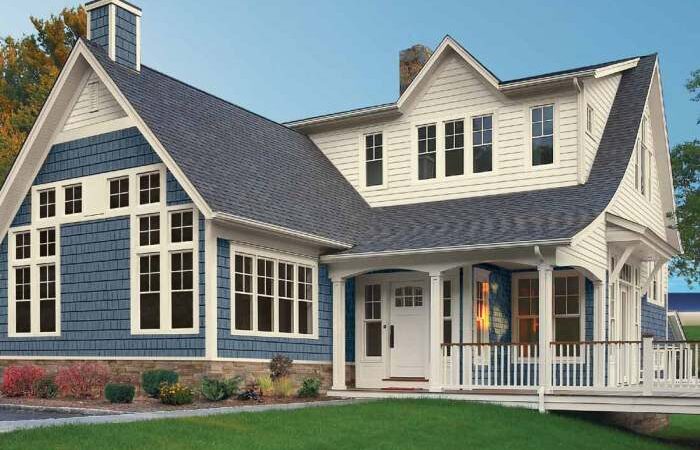
The cost of new siding and windows is a significant investment, but one that can dramatically improve your home’s curb appeal, energy efficiency, and overall value. This guide explores all aspects of this home improvement project, from initial material costs and labor considerations to permitting, potential hidden expenses, and long-term maintenance. We’ll break down the pricing for various siding and window options, helping you make informed decisions and create a realistic budget for your transformation.
Understanding the total cost involves examining several key factors. Material choices significantly impact the price, with vinyl siding generally being the most affordable and wood or fiber cement offering higher durability and aesthetic appeal. Similarly, window types vary widely in cost, depending on materials like aluminum, vinyl, wood, or fiberglass, and features such as energy-efficient glass packages. Labor costs, permitting fees, and potential unforeseen expenses must also be factored into your budget. We will provide detailed breakdowns, sample budgets, and helpful tips to guide you through each stage.
Material Costs
Source: mycoastalwindows.com
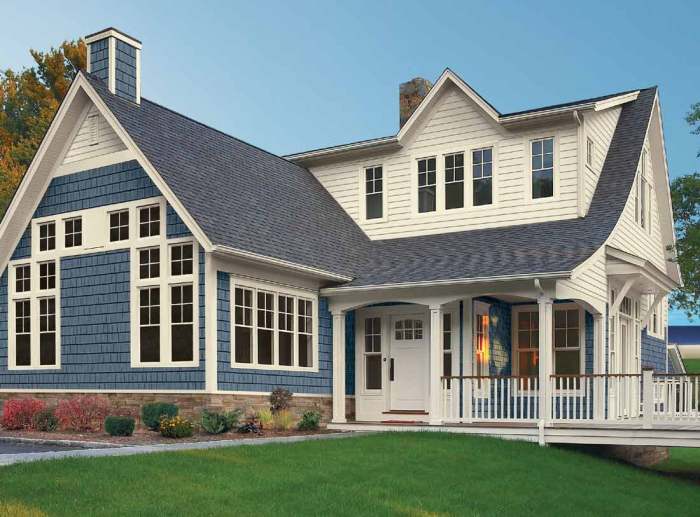
Understanding the material costs associated with new siding and windows is crucial for accurate budgeting. Prices vary significantly based on material choice, quality, and regional factors. This section will break down the average costs for different materials and window types, helping you make informed decisions.
Siding Material Costs
The cost of siding depends heavily on the material selected. Vinyl is generally the most affordable, while wood and fiber cement offers higher durability and aesthetic appeal at a premium price. The following table provides a comparison of average costs and lifespans:
| Siding Material | Price per Square Foot | Lifespan (Years) | Notes |
|---|---|---|---|
| Vinyl | $3-$8 | 20-30 | Relatively low maintenance, a wide variety of colors and styles. |
| Wood | $10-$30 | 30-50+ | Requires more maintenance, susceptible to rot and insect damage if not properly treated. Higher-end woods like cedar or redwood cost significantly more. |
| Fiber Cement | $8-$15 | 50+ | Durable and low-maintenance, resists fire, rot, and insects. Often mimics the look of wood. |
| Metal (Aluminum or Steel) | $6-$12 | 30-50 | Durable and low-maintenance; can be susceptible to dents. |
Window Material Costs
Window prices vary widely based on material, size, style, and features. Double-hung, casement, sliding, and awning windows all have different price points. The material—aluminum, vinyl, wood, or fiberglass—significantly impacts cost.
Factors influencing window costs include:
- Material: Fiberglass and wood windows are generally the most expensive, followed by vinyl and then aluminum. Fiberglass offers excellent energy efficiency and durability. Wood provides a classic look but requires more maintenance. Vinyl is a budget-friendly option. Aluminum is durable but can be less energy-efficient.
- Size and Number of Windows: Larger windows and more windows naturally increase the overall cost.
- Features: Features such as insulated glass units (IGUs), low-E coatings, gas fills (argon or krypton), and intricate designs all add to the price.
- Installation Costs: Professional installation adds a significant portion to the total cost.
Cost-Effectiveness Over 20 Years
Predicting the exact cost-effectiveness over 20 years requires considering factors like energy savings, maintenance costs, and potential resale value increases. However, a simplified comparison can be made based on initial cost and lifespan:
| Combination | Initial Cost (Estimate) | Average Annual Maintenance | Estimated 20-Year Cost |
|---|---|---|---|
| Vinyl Siding & Vinyl Windows | Moderate | Low | Moderate |
| Fiber Cement Siding & Fiberglass Windows | High | Low | Moderate to High |
| Wood Siding & Wood Windows | Very High | High | Very High |
| Vinyl Siding & Fiberglass Windows | Moderate to High | Low | Moderate to High |
Note: These are estimations and actual costs can vary widely based on project specifics, location, and contractor. It’s crucial to obtain multiple quotes from reputable contractors.
Labor Costs
Labor costs represent a significant portion of your total siding and window replacement project expense. Understanding the factors that influence these costs will help you budget effectively and avoid unexpected expenses. This section will break down the various elements contributing to labor costs, offering a clearer picture of what to expect.
Several factors influence the labor costs associated with siding and window installation. These factors interact to determine the final cost, so it’s crucial to consider them all when planning your budget.
Factors Affecting Labor Costs
The following factors significantly impact the overall labor cost for your project:
- Project Size: Larger projects naturally require more labor hours, increasing the overall cost. A small home renovation will have lower labor costs than a large commercial building.
- Project Complexity: Intricate designs, unusual architectural features, or difficult-to-access areas increase labor time and complexity, leading to higher costs. For example, installing siding on a multi-gabled roof is more complex than installing it on a simple ranch-style home.
- Location: Geographic location influences labor rates. Areas with higher costs of living or a shortage of skilled labor will typically have higher labor rates. Urban areas often command higher rates than rural areas.
- Labor Rates: The hourly or daily rate charged by contractors varies based on experience, expertise, and local market conditions. Highly skilled and experienced installers will generally charge more.
- Materials Handling: The type of siding and windows used can impact labor time. For example, handling heavy stone veneer requires more time and effort than working with lightweight vinyl siding.
Labor Costs: Removal vs. Installation
Removing old siding and windows is a separate task from new installation and will add to your overall labor costs. The time required for removal depends on the materials used, their condition, and the accessibility of the area. Below is an estimated comparison:
| Task | Estimated Labor Hours (Average-Sized Home) |
|---|---|
| Siding Removal | 20-40 hours |
| Window Removal | 10-20 hours |
| New Siding Installation | 40-80 hours |
| New Window Installation | 20-40 hours |
Note: These are estimates and can vary significantly based on the factors mentioned above. Always get detailed quotes from contractors.
Sample Budget
This sample budget illustrates a possible cost breakdown for a mid-sized home siding and window replacement project. Remember, these are estimates and your actual costs may vary.
| Category | Cost | Percentage of Total |
|---|---|---|
| Materials (Siding & Windows) | $15,000 | 40% |
| Labor (Removal & Installation) | $15,000 | 40% |
| Permits | $1,000 | 5% |
| Contingency (Unexpected Costs) | $4,000 | 15% |
| Total Estimated Cost | $35,000 | 100% |
This budget includes a 15% contingency for unforeseen expenses, a crucial element in any home renovation project. Always factor in a contingency to avoid financial surprises.
Permits and Inspections
Source: newroof.com
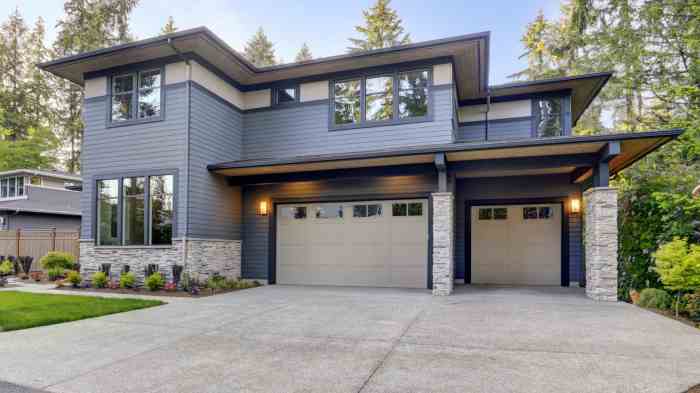
Securing the necessary permits and passing inspections are crucial steps in any home improvement project, including siding and window replacement. These processes ensure your project complies with building codes and safety regulations, protecting both you and your property. Ignoring these steps can lead to fines, delays, and even the need to undo completed work.
Obtaining building permits involves a series of steps and associated costs that vary significantly depending on your location and the project’s scope. Failing to obtain the proper permits can result in hefty fines and legal issues. Thorough planning and understanding of the process will ensure a smoother renovation.
Permitting Process for Siding and Window Replacement
The permitting process typically involves several key steps. The specific requirements may vary slightly from one municipality to another, so it’s essential to contact your local building department for precise details. However, the general process often follows this pattern:
- Application Submission: You’ll need to complete an application form, providing details about your project, including the type of siding and windows, dimensions, and any structural modifications. You’ll likely need to include architectural drawings or plans.
- Fee Payment: Permit fees vary widely based on location, project size, and complexity. Expect to pay a few hundred to several thousand dollars, depending on these factors.
- Review and Approval: The building department will review your application and plans to ensure they meet local building codes and regulations. This review process can take several days to several weeks.
- Permit Issuance: Once approved, you’ll receive your building permit. This permit officially authorizes you to begin work.
Inspection Costs and Potential Delays
Inspections are conducted at various stages of the project to ensure compliance with building codes. These inspections typically include an initial inspection before work begins, inspections during the installation process (e.g., framing, flashing, installation of siding and windows), and a final inspection upon completion.
Failure to pass an inspection can lead to delays while necessary revisions are made. The cost of these revisions can vary widely depending on the nature of the problem. For example, a minor issue might involve a simple adjustment, while a major issue might require significant rework and additional materials.
| Inspection Type | Potential Cost (Example) | Potential Delay (Example) |
|---|---|---|
| Initial Inspection | $50 – $150 | 1-2 days |
| Mid-Project Inspection | $50 – $150 | 2-5 days (depending on the extent of corrections needed) |
| Final Inspection | $50 – $150 | 1-3 days (depending on the extent of corrections needed) |
*Note: These costs and delays are examples only. Actual costs and delays may vary considerably depending on location and the specifics of the project.*
Permit Cost Variations
Permit costs are influenced by several factors:
- Location: Permit fees vary significantly from one city or county to another. Areas with higher property values or stricter regulations often have higher permit fees.
- Project Scope: Larger and more complex projects generally require more extensive review and therefore have higher permit fees. A simple window replacement will have a lower fee than a complete siding and window replacement on a large house.
- Type of Materials: The type of siding and windows used might influence permit fees, especially if special permits are required for unusual materials.
Additional Costs
Replacing your siding and windows is a significant investment, and while we’ve covered the main costs, it’s crucial to anticipate potential additional expenses that can impact your overall budget. Failing to account for these unexpected costs can lead to project delays and financial strain. This section will highlight potential unforeseen expenses and guide you in creating a more comprehensive budget.
Unexpected Costs During the Project
Unexpected issues can arise during any home renovation. Being prepared for these possibilities will help prevent financial surprises. It’s always wise to have a contingency fund built into your budget.
- Rotted Wood or Damaged Framing: During siding removal, you might discover underlying rot or damage to the house framing. Repairing this will add to the labor and material costs. For example, replacing a section of rotted wood might cost between $200 and $800 depending on the extent of the damage and the type of wood used for repair.
- Unforeseen Damage to Existing Structures: Removing old siding or windows could inadvertently damage underlying brickwork, stucco, or other exterior elements, requiring additional repair work. A small crack in the brick could easily turn into a $500 repair if not addressed promptly.
- Unexpected Waste Disposal Fees: The amount of waste generated during siding and window replacement can be substantial. Disposal fees can vary significantly based on your location and the type of waste. Budget for an additional $200-$500 for proper waste removal to avoid unexpected charges.
- Material Shortages or Price Increases: Supply chain issues can lead to material delays or price fluctuations. Building a buffer for potential price increases is a prudent approach. A 10% contingency on material costs is often recommended.
- Unexpected Permitting Delays or Additional Fees: Permitting processes can sometimes experience delays, or additional fees may be required depending on the specifics of your project and local regulations. It’s advisable to check with your local building department to clarify fees and potential timelines.
Interior and Exterior Finishing Costs
Once the new siding and windows are installed, there will be additional finishing work required to ensure a professional and complete job. These finishing touches are often overlooked but are essential for the overall aesthetic and longevity of the project.
- Caulking: Proper caulking around windows and siding is crucial for weatherproofing and preventing air leaks. This can add a few hundred dollars to the total cost depending on the size of the project.
- Painting: New siding and windows might require painting to match your home’s existing color scheme or to achieve a desired aesthetic. Painting costs will vary based on the surface area and the type of paint used. A professional painting job could easily cost $1000 to $3000 or more, depending on the size of the house and the number of coats needed.
- Interior Trim Work: Depending on the type of window installation, interior trim work might be necessary. This could include replacing or refinishing existing trim around the windows. This could range from a few hundred dollars to over a thousand depending on the extent of the work.
Checklist of Potential Hidden Costs
This checklist summarizes potential hidden costs to assist in more accurate budgeting.
- Cost of repairing rotted wood or damaged framing.
- Cost of repairing unforeseen damage to existing structures (brick, stucco, etc.).
- Waste disposal fees.
- Potential material shortages or price increases (contingency buffer).
- Unexpected permitting delays or additional fees.
- Caulking costs.
- Painting costs (exterior and/or interior).
- Interior trim work costs.
- Cost of cleaning up after the project.
- Unexpected repairs to existing infrastructure (e.g., electrical, plumbing).
Warranty and Maintenance
Source: Modern-exterior.com
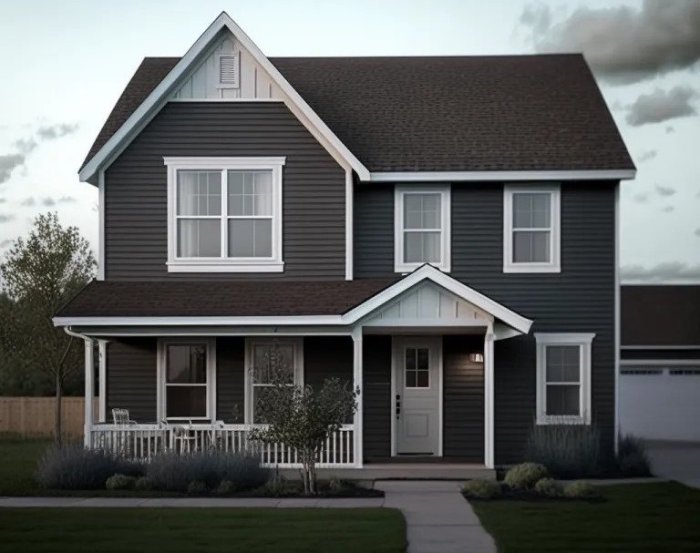
Understanding the warranties and long-term maintenance requirements for your new siding and windows is crucial for budgeting and planning. This section details typical warranty offerings and Artikels the ongoing maintenance costs associated with various materials, helping you make informed decisions and anticipate future expenses.
Warranties provide crucial protection against manufacturing defects and workmanship issues. They significantly influence the overall cost-effectiveness of your investment over time. Understanding the specifics of each warranty is essential for informed decision-making.
Typical Warranties for Siding and Windows
Warranties vary greatly depending on the manufacturer, material, and installer. It’s essential to carefully review all warranty documents before making a purchase. Below are some common warranty types you might encounter:
- Manufacturer’s Warranty: This covers defects in materials and workmanship from the manufacturer. Typical durations range from 10-50 years, depending on the product and specific terms.
- Labor Warranty: This covers the installation workmanship, typically offered by the installer for a shorter period, often 1-2 years.
- Limited Warranty: This type of warranty may exclude certain components or types of damage, such as damage caused by extreme weather or improper maintenance.
- Transferable Warranty: Some warranties can be transferred to a new homeowner if you sell your property, offering continued protection for future owners.
Long-Term Maintenance Costs
The long-term maintenance costs associated with siding and windows vary considerably depending on the chosen material. Regular maintenance can extend the lifespan of these components and minimize costly repairs.
| Material | Cleaning/Maintenance | Repair Costs (per sq ft estimate) | Lifespan (years) |
|---|---|---|---|
| Vinyl Siding | Occasional washing with soap and water; minimal upkeep. | $1-$3 | 30-50 |
| Wood Siding | Regular painting or staining (every 5-10 years); occasional cleaning. | $3-$8 | 20-40 (depending on maintenance) |
| Fiber Cement Siding | Periodic cleaning; and repainting may be needed every 10-15 years. | $2-$5 | 30-50 |
| Vinyl Windows | Occasional cleaning; minimal upkeep. | $5-$15 (per window) | 20-30 |
| Wood Windows | Regular painting or staining; occasional cleaning and caulking. | $10-$25 (per window) | 20-40 (depending on maintenance) |
| Fiberglass Windows | Occasional cleaning; minimal upkeep. | $8-$20 (per window) | 30-50 |
Warranty’s Impact on Overall Project Cost
Warranties significantly influence the overall cost-effectiveness of your siding and window replacement project over time. A longer warranty period can lead to substantial savings by minimizing the risk of unexpected repairs or replacements.
- Reduced Repair Costs: A comprehensive warranty covers defects, significantly reducing the likelihood of expensive repairs within the warranty period.
- Increased Resale Value: A transferable warranty can enhance the resale value of your home, as potential buyers appreciate the added protection.
- Peace of Mind: Knowing you have a robust warranty provides peace of mind and protects your investment.
- Example: A 50-year warranty on siding might seem like a high upfront cost, but it could save thousands of dollars in potential repairs compared to a product with a 10-year warranty, especially considering potential issues such as warping or cracking.
Financing Options: Cost For New Siding And Windows
Securing funding for your siding and window replacement project is a crucial step. Understanding the various financing options available can help you choose the best fit for your budget and financial situation. This section articulates different financing methods, compares their terms, and offers tips for obtaining favorable rates.
Several financing options are available to homeowners undertaking home improvement projects like siding and window replacements. These options vary significantly in terms of interest rates, repayment periods, and application requirements. Carefully considering each option is essential to make an informed decision.
Available Financing Options
Homeowners have several avenues to finance their siding and window projects. Each option presents unique advantages and disadvantages.
- Home Equity Loans: These loans use your home’s equity as collateral. They typically offer lower interest rates than other options but require a credit check and appraisal.
- Home Equity Lines of Credit (HELOCs): Similar to home equity loans, HELOCs offer a line of credit you can draw from as needed. Interest rates are usually variable, meaning they can fluctuate over time.
- Personal Loans: These unsecured loans don’t require collateral, but interest rates tend to be higher than secured loans like home equity loans. Approval depends on your credit score and income.
- Credit Cards: While convenient, credit cards often carry high interest rates and can lead to significant debt if not managed carefully. They are generally not recommended for large home improvement projects.
- Contractor Financing: Some contractors offer financing plans directly to customers. The terms and interest rates vary depending on the contractor and your creditworthiness. Always compare rates and terms with other options before committing.
- Government-backed loans (e.g., FHA 203(k) loan): These loans can be used for renovations and repairs, including siding and window replacement, but they often have specific requirements and limitations.
Comparison of Financing Options
The following table compares typical interest rates and repayment terms for different financing options. Note that these are estimates and actual rates can vary depending on your credit score, the lender, and the loan amount.
| Financing Option | Typical Interest Rate Range | Typical Repayment Term |
|---|---|---|
| Home Equity Loan | 4% – 8% | 5 – 15 years |
| HELOC | Variable, often tied to Prime Rate + margin | 10 – 20 years (draw period), then repayment |
| Personal Loan | 6% – 20% | 1 – 7 years |
| Credit Card | 15% – 30% | Variable, often with minimum monthly payments |
| Contractor Financing | Varies greatly depending on the contractor | Varies greatly depending on the contractor |
Tips for Securing the Best Financing Rates, Cost for new siding and windows
Several strategies can help you secure the most favorable financing terms for your home improvement project.
- Improve your credit score: A higher credit score significantly impacts the interest rate you qualify for. Paying bills on time and keeping credit utilization low is crucial.
- Shop around for lenders: Compare interest rates and terms from multiple lenders before making a decision. Don’t settle for the first offer you receive.
- Consider a shorter repayment term: While monthly payments will be higher, a shorter loan term will result in less interest paid over the life of the loan.
- Make a large down payment: A larger down payment can reduce the loan amount, leading to lower interest payments and potentially a better interest rate.
- Negotiate with your contractor: Some contractors may offer financing incentives or discounts if you pay in cash or finance through a preferred lender.
Final Wrap-Up
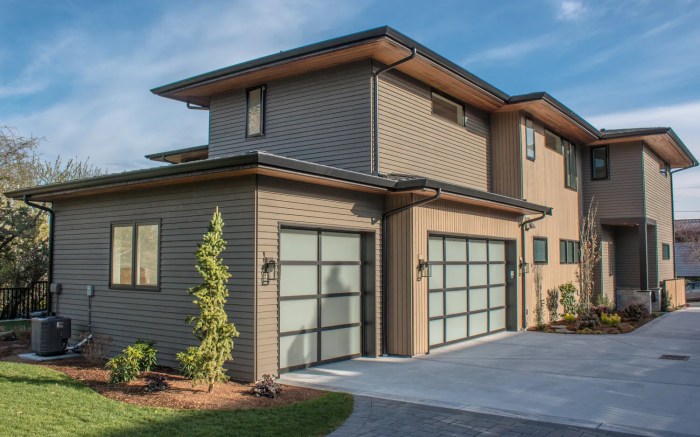
Source: romebros.com
Replacing your siding and windows is a substantial undertaking, but with careful planning and a thorough understanding of the associated costs, you can successfully navigate the process. Remember to factor in all potential expenses – from materials and labor to permits and unexpected repairs – to create a comprehensive budget. By comparing different options and considering long-term maintenance costs, you can choose the combination that best suits your needs and budget, ultimately transforming your home and increasing its value for years to come. This guide has provided a comprehensive overview, empowering you to make informed choices and achieve your dream home renovation.
Helpful Answers
What is the average lifespan of different siding materials?
Vinyl siding typically lasts 20-30 years, wood siding 20-50 years (depending on maintenance), and fiber cement siding 50 years or more.
How much does it cost to remove old siding and windows?
Removal costs vary based on the size and complexity of the project but generally range from $1-$3 per square foot for siding removal and $50-$150 per window for window removal.
Can I finance my siding and window replacement?
Yes, many financing options are available, including home equity loans, personal loans, and specialized financing programs offered by contractors or home improvement retailers. Shop around to compare interest rates and terms.
What types of warranties are typically offered on siding and windows?
Warranties vary by manufacturer and product but typically cover material defects for -25 years. Labor warranties are usually shorter.
Do I need a permit for siding and window replacement?
Generally, yes. Check with your local building department for specific requirements and permit fees. Failure to obtain necessary permits can lead to fines or delays.
Comments are closed.