Redo Siding on House A Complete Guide

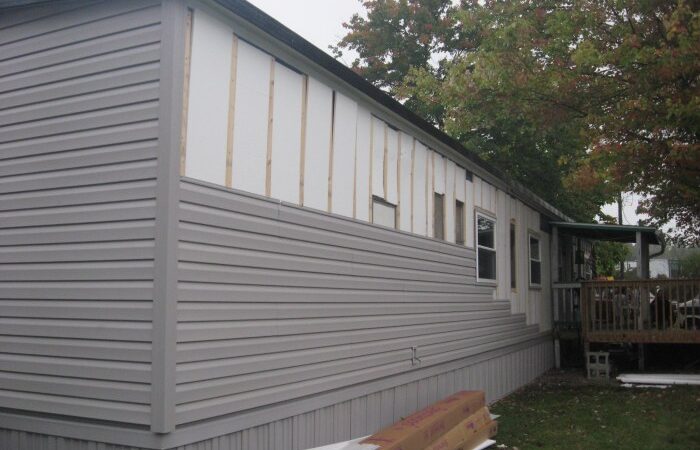
Redo siding on the house? It’s a big project, but transforming your home’s exterior can dramatically boost curb appeal and property value. This guide will walk you through every step, from choosing the right siding material and getting accurate cost estimates to finding reliable contractors and ensuring long-term maintenance. We’ll explore various siding options, their pros and cons, installation processes, and design considerations, empowering you to make informed decisions throughout your renovation journey.
Whether you’re aiming for a modern, sleek look or a classic, traditional aesthetic, understanding the intricacies of siding replacement is crucial for a successful project. We’ll cover everything from budgeting and material selection to the practicalities of installation and ongoing care, equipping you with the knowledge to confidently tackle this significant home improvement undertaking.
Types of Siding Materials
Choosing the right siding for your home is a crucial decision impacting its aesthetics, durability, and long-term maintenance. This section will compare common siding materials, helping you make an informed choice. We’ll examine vinyl, wood, fiber cement, and metal siding, considering their costs, durability, maintenance needs, and visual appeal.
Siding Material Comparison
The following table provides a comparative overview of four popular siding materials. Remember that actual costs and lifespans can vary depending on factors like quality, installation, climate, and maintenance practices.
| Material | Cost (Relative) | Durability | Maintenance | Aesthetic Appeal |
|---|---|---|---|---|
| Vinyl | Low | Moderate (susceptible to impact damage) | Low | Wide variety of colors and styles, but can appear less natural |
| Wood | Medium to High | High (with proper maintenance) | High (requires regular painting or staining) | Natural look and feel, offering unique textures and grains |
| Fiber Cement | Medium to High | High (resistant to fire, rot, and insects) | Moderate (occasional cleaning and repainting) | Can mimic the look of wood, offering a durable, natural-looking alternative |
| Metal | Medium to High | Very High (extremely durable and long-lasting) | Low (minimal maintenance needed) | Modern and sleek appearance, available in various colors and finishes |
Pros and Cons of Siding Materials
Each siding material presents distinct advantages and disadvantages regarding longevity and environmental impact.
Vinyl Siding: Pros include low cost and low maintenance. Cons include susceptibility to damage from impacts and less environmentally friendly production compared to other options. Its lifespan typically ranges from 20-40 years, depending on quality and exposure to harsh weather.
Wood Siding: Pros include its natural beauty and high durability when properly maintained. Cons are higher initial cost and the need for regular maintenance (painting or staining every 5-10 years). A well-maintained wood siding can last 50 years or more, but neglect can significantly shorten its lifespan.
Fiber Cement Siding: Pros include exceptional durability, fire resistance, and low maintenance compared to wood. Cons include higher initial cost than vinyl and the need for professional installation. Its lifespan typically exceeds 50 years, often reaching 75-80 years with minimal maintenance.
Metal Siding: Pros include extreme durability, long lifespan, and low maintenance. Cons include higher initial cost and the potential for dents. Metal siding can last 50 years or more, with minimal maintenance requirements and high resistance to weather damage.
Siding Lifespan and Maintenance Visual Representation
Imagine a bar graph. The horizontal axis represents siding types (Vinyl, Wood, Fiber Cement, Metal). The vertical axis represents lifespan in years (0-100). The bars would visually represent the typical lifespan of each material, with Metal having the tallest bar (representing 50+ years), followed by Fiber Cement (50-80 years), Wood (50+ years with maintenance), and Vinyl (20-40 years). A second, smaller bar graph beneath the first could represent maintenance requirements, with Vinyl having the shortest bar (low maintenance), Wood having the tallest bar (high maintenance), and Fiber Cement and Metal falling somewhere in between. This visual representation would demonstrate the trade-offs between lifespan, maintenance, and material choice.
Cost Estimation and Budgeting
Source: machosecontracting.com
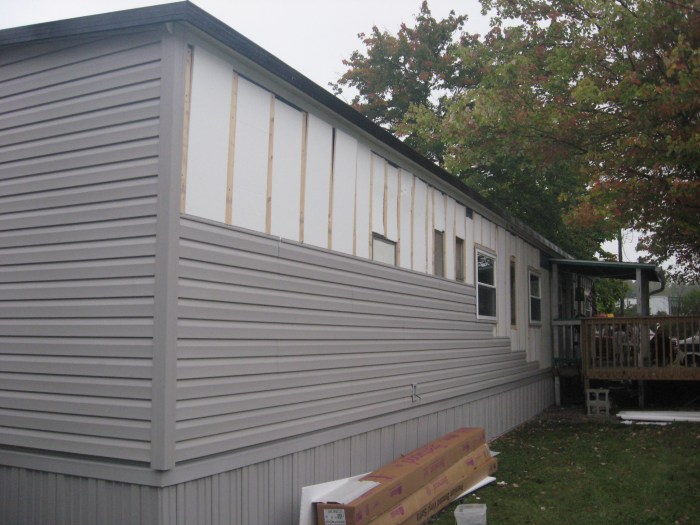
Replacing your house siding is a significant investment. Accurate cost estimation is crucial to avoid financial surprises and ensure a smooth project. Understanding the various cost components and factors influencing the final price will empower you to make informed decisions and create a realistic budget.
A comprehensive budget should account for all aspects of the project, from materials and labor to permits and potential unforeseen issues. Failing to adequately budget can lead to project delays, cost overruns, and ultimately, dissatisfaction.
Typical Cost Breakdown for House Siding Redo
The cost of a siding replacement project varies considerably depending on several factors. However, a typical breakdown includes the following expense categories:
- Materials: This is often the largest expense, encompassing the siding itself, flashing, trim, underlayment, and fasteners. Costs vary dramatically depending on the siding material chosen (e.g., vinyl, fiber cement, wood). Expect to pay anywhere from $2 to $20+ per square foot for materials alone.
- Labor: Labor costs are typically calculated per square foot and depend on the complexity of the job, the size of the house, and regional labor rates. Expect to pay $2 to $10+ per square foot for labor.
- Permits: Building permits are required in most jurisdictions. The cost varies depending on the ocation and the scope of the project. Budget a few hundred dollars for permit fees.
- Unforeseen Expenses: It’s crucial to include a contingency buffer (10-20% of the total estimated cost) to cover unexpected issues like rotted wood requiring repair, unforeseen structural problems, or material price increases.
- Waste Removal: Disposing of old siding and debris adds to the overall cost. This expense is often included in the labor cost but can be separately quoted.
Factors Influencing Overall Cost
Several factors significantly impact the total cost of a siding project. Careful consideration of these factors is essential for accurate budgeting.
- House Size: The larger the house, the more materials and labor are required, directly increasing the overall cost. A larger surface area translates to higher material consumption and more extensive labor hours.
- Material Choice: Different siding materials have vastly different price points. Vinyl siding is generally the most affordable, while fiber cement and wood siding are significantly more expensive. The durability, maintenance requirements, and aesthetic appeal of each material should be weighed against its cost.
- Complexity of the Job: Projects involving intricate detailing, extensive repairs (e.g., rotted wood), or difficult-to-access areas will increase labor costs. Unusual house shapes or multiple stories can also add complexity.
- Regional Labor Rates: Labor costs vary considerably by region. Areas with high demand for skilled labor will naturally have higher labor rates than areas with lower demand.
Realistic Budget Examples
The following are illustrative examples of realistic budgets. These are estimates and actual costs may vary based on the factors discussed above. Always obtain multiple quotes from reputable contractors.
| House Size (sq ft) | Siding Material | Estimated Total Cost (USD) |
|---|---|---|
| 1500 | Vinyl | $10,000 – $15,000 |
| 1500 | Fiber Cement | $18,000 – $30,000 |
| 2500 | Vinyl | $15,000 – $25,000 |
| 2500 | Wood | $30,000 – $50,000+ |
Preparation and Installation Process
Source: homestratosphere.com
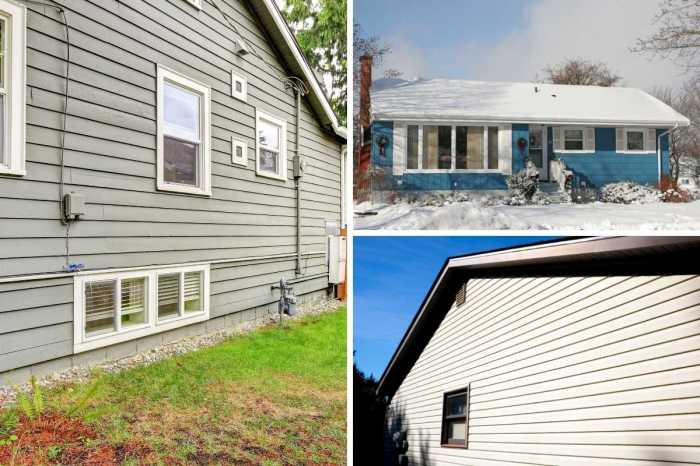
Replacing your home’s siding is a significant undertaking, but with careful planning and execution, you can achieve a beautiful and durable result. This section details the crucial steps involved in preparing your house and installing the new siding. Proper preparation is key to a successful siding project, ensuring a long-lasting and attractive finish.
House Preparation for New Siding
Preparing your house for new siding involves several key steps that ensure a smooth and successful installation. Overlooking these steps can lead to problems down the road, such as uneven siding or compromised structural integrity. Careful attention to detail during this phase will save time and money in the long run.
- Removing Old Siding: Carefully remove the existing siding, starting from the top and working your way down. Be mindful of underlying sheathing and avoid damaging it. Dispose of old siding responsibly according to local regulations.
- Inspecting the Underlying Structure: Once the old siding is removed, thoroughly inspect the house’s sheathing, looking for any damage, rot, or insect infestation. Repair or replace any damaged sections using appropriate materials, ensuring a solid and level surface for the new siding.
- Addressing Necessary Repairs: This might include replacing rotted wood, repairing damaged sheathing, or addressing any water damage. Ensure all repairs are completed before installing the new siding to prevent future problems. Proper flashing around windows and doors is critical to prevent water intrusion.
- Preparing the Surface: After repairs are complete, ensure the surface is clean and dry. This may involve cleaning off loose debris, dirt, and any remaining old caulk or sealant.
- Installing Housewrap (Optional but Recommended): Installing a house wrap provides an additional layer of protection against moisture. This breathable membrane allows moisture vapor to escape while preventing liquid water from entering the wall cavity. Overlapping seams and proper fastening are crucial for effectiveness.
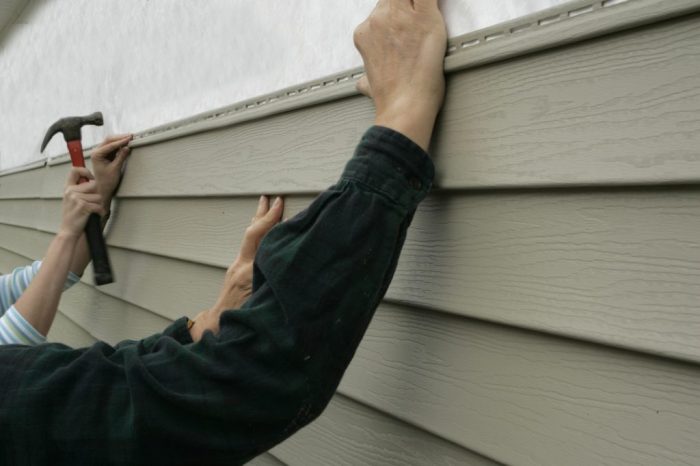
Vinyl Siding Installation, Redo siding on house.e
Vinyl siding is a popular choice due to its affordability and low maintenance. Proper installation techniques are essential for a long-lasting, attractive finish.
- Start at a corner and install the first piece of siding, ensuring it is level and plumb. Use appropriate fasteners and spacing.
- Overlap each subsequent piece, ensuring a tight fit and consistent spacing. Use a level to check for alignment frequently.
- Cut pieces to fit around windows and doors using a sharp utility knife or saw. Use appropriate j-channels or trim pieces for a clean finish.
- Use appropriate sealant to ensure a watertight seal around windows, doors, and corners.
- Install finishing pieces, such as corner trimandJ channelsls, to complete the look.
Wood Siding Installation
Wood siding offers a classic and aesthetically pleasing look. However, it requires more maintenance than vinyl.
- Begin installation at a corner or a pre-determined starting point, ensuring proper alignment and levelness.
- Each board should be fastened securely using appropriate nails or screws, avoiding over-driving fasteners to prevent splitting the wood.
- Maintain consistent spacing between boards, allowing for expansion and contraction due to weather changes. Use appropriate spacers as needed.
- Cutting wood siding around windows and doors requires precision. Use a sharp saw to make clean cuts, ensuring a tight fit. Caulk thoroughly to prevent water intrusion.
- Apply a protective sealant or stain to enhance the wood’s natural beauty and protect it from the elements.
Fiber Cement Siding Installation
Fiber cement siding is a durable and fire-resistant option that offers excellent longevity.
- Installation begins similarly to wood siding, ensuring proper alignment and levelness. Use appropriate fasteners and spacing.
- Fiber cement boards are typically larger than vinyl or wood, requiring careful handling and precise cutting. Use a wet saw to prevent dust and ensure clean cuts.
- Because of its weight, fiber cement siding may require additional support framing in certain situations. Consult manufacturer’s guidelines.
- Cutting around windows and doors requires careful measurement and precision. Use a wet saw for clean cuts and ensure a tight fit. Caulk thoroughly to prevent water damage.
- Prime and paint fiber cement siding after installation to protect it from the elements and enhance its aesthetic appeal.
Finding and Hiring Contractors
Source: angi.com
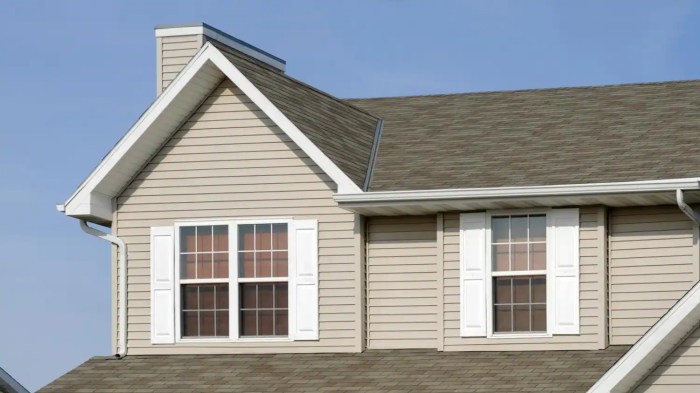
Finding the right contractor for your siding project is crucial for a successful and stress-free renovation. A well-chosen contractor will ensure quality workmanship, adherence to timelines, and transparent communication throughout the process. Choosing poorly can lead to costly mistakes, delays, and disputes. This section will guide you through the process of finding and selecting a qualified and reputable siding contractor.
Contractor Search Strategies
Begin your search by leveraging multiple resources to broaden your reach and increase your chances of finding suitable candidates. Start with recommendations from friends, family, and neighbors who have recently completed similar home improvement projects. Online platforms, such as Angie’s List, HomeAdvisor, and Nextdoor, offer contractor profiles, reviews, and ratings. Check your local Better Business Bureau (BBB) website for complaints and ratings. Finally, don’t hesitate to directly contact siding manufacturers; many have a network of certified installers they can recommend. Thoroughly vetting each potential contractor through these avenues significantly reduces the risk of encountering unqualified or unreliable professionals.
Essential Contractor Interview Questions
Before committing to a contractor, schedule in-person interviews to assess their qualifications and professionalism. Asking specific questions will reveal their experience, expertise, and approach to the job.
- Licensing and Insurance: Verify the contractor’s state licensing and liability insurance coverage, ensuring they are properly insured to protect you from potential accidents or damages during the project.
- Experience and Specialization: Inquire about their experience in siding installation, specifically with the type of siding you’ve chosen. Look for contractors with a proven track record of successful projects similar to yours.
- References and Portfolio: Request a list of references from previous clients and review their portfolio of completed projects to evaluate their workmanship and attention to detail. Contacting these references directly provides valuable insights into their reliability and quality of work.
- Project Timeline and Communication: Discuss the estimated project timeline, including start and completion dates. Clarify their communication methods and frequency of updates throughout the process. Regular communication is key to managing expectations and addressing any potential issues promptly.
- Materials and Warranty: Ask about the materials they use, their sourcing, and any warranties offered on both the materials and their workmanship. A reputable contractor will readily provide details about the quality of materials and the duration of warranties.
- Payment Schedule and Contract Details: Review the proposed payment schedule carefully, ensuring it aligns with the project milestones. Thoroughly examine the contract, clarifying any ambiguous terms or clauses before signing.
Evaluating Contractor Bids and Contracts
Comparing bids from multiple contractors requires a careful and detailed approach. Focus on the overall value proposition rather than solely on price.
- Detailed Breakdown of Costs: Ensure each bid provides a comprehensive breakdown of all costs, including materials, labor, permits, and any other associated expenses. Avoid bids that lack transparency or contain vague descriptions of costs.
- Payment Terms and Conditions: Carefully review the payment schedule and terms, paying close attention to any penalties for late payments or early project termination clauses. A reasonable and clearly defined payment schedule is crucial for protecting both parties.
- Warranty and Guarantees: Verify the length and scope of the warranty provided on both the materials and workmanship. A comprehensive warranty demonstrates the contractor’s confidence in their work and offers you protection against future issues.
- Contractual Obligations: Thoroughly read the entire contract before signing, clarifying any uncertainties or concerns with the contractor. A well-drafted contract protects your rights and ensures a clear understanding of the project scope and responsibilities.
- Permitting and Inspections: Confirm that the contractor will obtain all necessary permits and arrange for inspections as required by local building codes. This ensures compliance with regulations and safeguards your investment.
Maintenance and Long-Term Care
Proper maintenance is crucial for extending the lifespan and preserving the aesthetic appeal of your new siding. Regular cleaning and occasional repairs can prevent costly replacements down the line and maintain your home’s curb appeal for years to come. Different siding materials require slightly different care routines, so understanding your siding type is the first step to effective maintenance.
Regular maintenance tasks will vary depending on the type of siding you have installed. Neglecting these tasks can lead to premature deterioration, necessitating costly repairs or even complete replacement. In the following table, Artikels recommended maintenance for common siding materials.
Siding Maintenance by Material Type
| Siding Material | Regular Cleaning | Inspection Frequency | Common Issues & Solutions |
|---|---|---|---|
| Vinyl | Wash with water and mild detergent annually; rinse thoroughly. | Twice yearly (spring, fall) | Minor scratches can be buffed out; cracks require patching or replacement. Discoloration may be cleaned with a vinyl cleaner. |
| Wood | Wash with water and mild detergent annually; consider staining or sealing every 2-3 years. | Twice yearly (spring, fall); check for ro, and insect damage. | Rotted areas need immediate repair or replacement. Insect infestations require professional treatment. Cracks can be filled with wood filler. |
| Fiber Cement | Wash with water and mild detergent annually. | Annually; check for cracks or damage. | Cracks can be filled with appropriate caulk. Major damage may require section replacement. Painting every 5-7 years can protect the material. |
| Metal | Wash with water and mild detergent annually. | Annually; check for rust, dents, or loose panels. | Rust should be addressed immediately with a rust remover and primer before repainting. Dents may require professional repair or panel replacement. |
Common Siding Problems and Solutions
Addressing siding problems promptly can prevent minor issues from escalating into major, costly repairs. Ignoring problems can lead to water damage, structural issues, and significant aesthetic deterioration.
Cracks in siding are often caused by settling, expansion, and contraction due to temperature changes, or impact damage. Small cracks in vinyl or fiber cement can be filled with caulk. Larger cracks or those in wood siding may require more extensive repair or panel replacement. Warping, typically seen in wood siding, can result from moisture exposure or insufficient sealing. Addressing moisture issues and resealing the wood are crucial steps in rectifying warping. Discoloration can be caused by mildew, algae, or simply weathering. Regular cleaning with a suitable cleaner often resolves discoloration. Persistent discoloration may require professional cleaning or repainting.
Preventative Maintenance Schedule
A proactive approach to maintenance is the best way to ensure your siding remains in top condition. The following schedule provides a guideline for various siding types. Adjust the schedule based on your climate and the specific needs of your siding.
| Siding Type | Spring | Summer | Fall | Winter |
|---|---|---|---|---|
| Vinyl | Inspect for damage, clean with water and mild detergent. | Inspect for damage. | Inspect for damage, clean with water and mild detergent. | Inspect for damage from ice or snow. |
| Wood | Inspect for damage, clean with water and mild detergent, and treat for insects if necessary. | Inspect for damage, and check paint/stain condition. | Inspect for damage, clean with water and mild detergent. | Inspect for damage from ice or snow. |
| Fiber Cement | Inspect for damage, clean with water and mild detergent. | Inspect for damage. | Inspect for damage, clean with water and mild detergent. | Inspect for damage from ice or snow. |
| Metal | Inspect for damage, clean with water and mild detergent. | Inspect for damage. | Inspect for damage, clean with water and mild detergent. | Inspect for damage from ice or snow. |
Design Considerations and Aesthetics: Redo Siding On House
Source: ebyexteriors.com
Choosing the right siding not only protects your home but significantly impacts its curb appeal and overall aesthetic. The interplay of color, style, and material can dramatically enhance your home’s architectural character, increasing its value and making a strong visual statement. Careful consideration of these factors is crucial for a successful siding project.
The selection of siding should complement the existing architectural style of your home, enhancing its inherent beauty rather than clashing with it. Consider the era and style of your house – a Victorian home will look quite different with clapboard siding than a mid-century modern home with sleek metal panels. The right siding choice can subtly highlight architectural details or create a bold, modern contrast, depending on your design goals.
Siding Styles and Their Visual Impact
Various siding styles offer distinct visual characteristics that can dramatically alter the appearance of a home. The choice depends on personal preference, architectural style, and budget.
- Clapboard: Traditional horizontal overlapping boards, offering a classic and timeless look, often associated with colonial or traditional styles. The subtle texture and shadow lines created by the overlap-add visual interest.
- Shingle: Overlapping panels, but often wider and thicker than clapboard, providing a more rustic or textured appearance. Wood or asphalt shingles can create a charming, informal look, suitable for various architectural styles.
- Board and Batten: Vertical boards with narrower strips (battens) covering the seams, creating a clean, linear look. This style is often used for a more modern or farmhouse aesthetic.
- Vinyl Siding: Available in a wide array of styles, mimicking the look of wood, brick, or stone. Vinyl offers versatility and low maintenance but may appear less authentic than natural materials.
- Fiber Cement Siding: A durable and low-maintenance alternative to wood, offering a range of styles and textures, including clapboard, shingle, and board and batten. It provides a more upscale look compared to vinyl.
- Metal Siding: Modern and sleek, offering exceptional durability and longevity. Metal siding comes in various finishes and colors, lending itself to contemporary and industrial architectural styles.
Impact of Siding Choice on Architectural Style
The chosen siding material and style should harmoniously integrate with the existing architectural style of the house. A mismatch can detract from the overall aesthetic appeal.
| Architectural Style | Suitable Siding Styles | Color Considerations |
|---|---|---|
| Victorian | Clapboard, Shingle (wood or asphalt) | Muted jewel tones, earth tones, or creamy whites |
| Craftsman | Clapboard, Shingle (wood), Board and Batten | Earth tones, greens, browns, and deep reds |
| Ranch | Horizontal lap siding (vinyl, wood, fiber cement), brick | Neutral colors, earth tones, or muted blues and greens |
| Contemporary | Metal siding, fiber cement panels, smooth stucco | Neutral colors, grays, blacks, or bold accent colors |
| Farmhouse | Board and batten, vertical siding, shiplap | White, cream, light grays, or muted blues |
Color Selection and its Influence
Siding color significantly impacts the overall look and feel of a home. Consider factors such as the surrounding environment, the home’s orientation, and the desired mood or atmosphere.
For example, a light-colored siding can make a home appear larger and brighter, especially in shaded areas. Darker colors can create a more dramatic and imposing look, but they can absorb more heat in sunny climates. A home facing south might benefit from lighter colors to reduce heat absorption, while a north-facing home might benefit from darker colors to enhance warmth.
Imagine a Victorian home painted a deep, warm red, complemented by white trim. This classic color scheme enhances the home’s architectural details and creates a welcoming, inviting ambiance. In contrast, a modern home with sleek gray metal siding and black accents projects a sophisticated and minimalist aesthetic. These examples highlight the profound impact of color selection on the overall design.
Last Recap
Replacing your house siding is a significant investment that impacts both the aesthetic and structural integrity of your home. By carefully considering material choices, budgeting effectively, and selecting a qualified contractor, you can achieve a stunning transformation that enhances your property’s value and enjoyment for years to come. Remember, proactive maintenance is key to preserving your new siding and maximizing its lifespan. With careful planning and the right information, your siding project can be a rewarding experience that leaves you with a beautiful and durable home exterior.
Helpful Answers
What is the average lifespan of different siding materials?
Lifespans vary greatly. Vinyl siding can last 20-40 years, wood siding 20-50 years (depending on the wood type and maintenance), fiber cement 50+ years, and metal siding 50+ years.
How do I prepare my house for new siding installation?
Preparation involves removing old siding, inspecting the underlying sheathing for damage, repairing any rot or insect infestation, and ensuring proper ventilation.
Can I install sthe iding myself?
While possible for some types of siding (like vinyl), professional installation is generally recommended for a quality, long-lasting result, especially with more complex materials like fiber cement or wood.
What permits are needed for siding replacement?
Permit requirements vary by location. Check with your local building department to determine what permits, if any, are necessary for your project.
How can I find a reputable siding contractor?
Get referrals, check online reviews, verify licensing and insurance, and get multiple bids before making a decision. Always thoroughly review contracts before signing.
Comments are closed.