Cost of New Siding and Windows

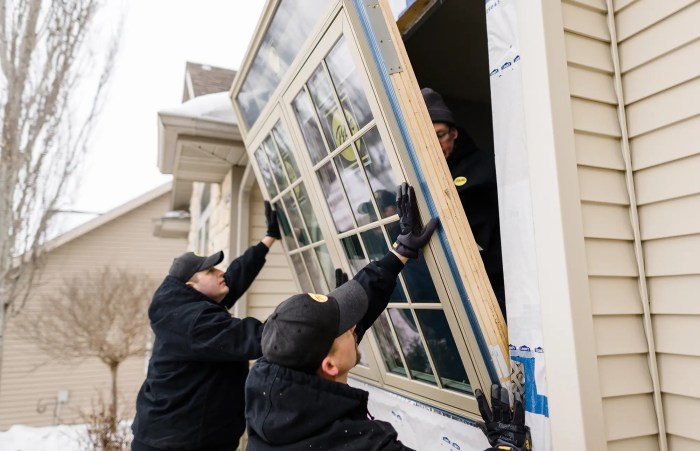
Cost of new siding and windows: Understanding the expense of replacing your home’s exterior is crucial for successful budgeting. This guide breaks down the costs associated with new siding and windows, from material selection to labor and permits. We’ll explore various options, compare their long-term value, and provide tips for managing your project budget effectively. This comprehensive overview will empower you to make informed decisions, ensuring a smooth and financially sound renovation.
We’ll delve into the specifics of material costs for different siding types (vinyl, wood, fiber cement, and more), comparing their lifespans and maintenance needs. Similarly, we’ll examine window costs, factoring in energy efficiency ratings and the impact on your utility bills. Labor costs, permit fees, and other potential expenses will also be thoroughly addressed, equipping you with a realistic understanding of the total project cost.
Material Costs
Choosing the right siding and windows significantly impacts your home’s curb appeal and energy efficiency. Understanding the material costs involved is crucial for budgeting and making informed decisions. This section will break down the average costs of various siding materials, compare their lifespans and maintenance needs, and explore factors influencing overall pricing.
Siding Material Costs Per Square Foot
The cost of siding varies greatly depending on the material. Prices are typically quoted per square foot and can fluctuate based on regional availability, supplier pricing, and the complexity of installation. The following provides average cost ranges:
| Siding Material | Cost per Square Foot ($) |
|---|---|
| Vinyl | $3 – $10 |
| Wood (Cedar, Redwood) | $10 – $30+ |
| Fiber Cement | $8 – $20+ |
| Aluminum | $5 – $15 |
| Engineered Wood | $6 – $18 |
Lifespan and Maintenance of Siding Materials
Different siding materials have varying lifespans and require different levels of maintenance. This directly impacts long-term costs.
| Siding Material | Lifespan (Years) | Maintenance Requirements |
|---|---|---|
| Vinyl | 20-40 | Low; occasional cleaning |
| Wood | 20-50+ (depending on wood type and treatment) | Moderate to High; regular painting or staining, potential repairs |
| Fiber Cement | 30-50+ | Low to Moderate; occasional cleaning, potential repainting |
| Aluminum | 30-50+ | Low; occasional cleaning |
| Engineered Wood | 25-40 | Moderate; periodic painting or staining |
Factors Influencing Material Costs
Several factors contribute to the overall cost of siding materials. Regional availability plays a significant role; materials sourced locally are generally cheaper. Supplier pricing also varies; obtaining quotes from multiple suppliers is recommended. The complexity of the installation (e.g., intricate designs, and difficult access) also increases labor costs, impacting the final price. Finally, the quality and brand of the siding material itself will influence the price per square foot. Higher-quality materials often come with a higher price tag but may offer superior durability and longevity.
Cost-Effectiveness of Siding Materials Over 20 Years
This table provides a simplified comparison of cost-effectiveness over 20 years. Note that these are estimates and actual costs may vary depending on specific circumstances. This illustration assumes a 1000-square-foot house for easier comparison.
| Siding Material | Initial Cost ($) | Estimated Maintenance Cost (20 years) ($) | Replacement Cost (after 20 years, estimated) ($) | Total Cost (20 years) ($) |
|---|---|---|---|---|
| Vinyl | 3000-10000 | 500 | 0 | 3500-10500 |
| Wood | 10000-30000+ | 3000-5000 | Variable, potentially significant | 13000-35000+ |
| Fiber Cement | 8000-20000+ | 1000-2000 | 0 | 9000-22000+ |
| Aluminum | 5000-15000 | 500 | 0 | 5500-15500 |
| Engineered Wood | 6000-18000 | 1500-3000 | Variable | 7500-21000+ |
Window Costs: Cost Of New Siding And Windows
Replacing windows is a significant investment in your home’s comfort and value. Understanding the various factors that influence window costs is crucial for making informed decisions and budgeting effectively. This section details the cost variations associated with different window types, materials, and features.
Window prices vary greatly depending on several factors. The type of window, its size, the materials used, and the included features all play a significant role in the final cost. Furthermore, the complexity of installation can also impact the overall expense.
Window Type Costs
Different window styles offer distinct advantages and come with varying price tags. Double-hung windows, a popular choice, typically range from $200 to $600 per window, depending on size and features. Casement windows, known for their excellent ventilation, often fall within a similar price range. Sliding windows tend to be slightly less expensive, averaging between $150 and $500 per window. Larger, more complex windows, such as bay windows or bow windows, will naturally command higher prices.
Energy Efficiency and Material Costs
The energy efficiency of a window is primarily determined by its U-factor and Solar Heat Gain Coefficient (SHGC). A lower U-factor indicates better insulation, meaning less heat loss in winter and less heat gain in summer. A lower SHGC indicates less solar heat transmission. Vinyl windows offer a good balance of cost-effectiveness and energy efficiency, often featuring U-factors around 0.30 and SHGCs around 0.30. Fiberglass windows, known for their durability and strength, generally boast even better energy efficiency, with U-factors often below 0.25 and SHGCs below 0.25. Wood windows, while aesthetically pleasing, can vary greatly in energy efficiency depending on construction and glazing; however, high-end wood windows can match or exceed the performance of fiberglass. The higher initial cost of fiberglass and high-end wood windows is often offset by long-term energy savings.
Factors Affecting Window Costs
Several factors beyond window type and material significantly influence the final price. Window size is a primary determinant; larger windows inherently cost more. Features such as decorative grids, custom shapes, and multiple panes of glass also add to the expense. The complexity of installation, particularly in older homes with unusual window openings or difficult-to-access locations, can increase labor costs considerably. For example, installing windows in a second-story dormer window might require specialized equipment and more labor hours compared to a standard first-floor window replacement.
Standard vs. Premium Window Features
The choice between standard and premium features can dramatically impact the overall cost. Here’s a comparison:
- Standard Features: Basic double-pane glass, simple hardware.
- Premium Features: Low-E coatings (reduce heat transfer), argon gas fill (improves insulation), laminated glass (enhanced safety and noise reduction), advanced hardware (improved durability and ease of operation).
The added cost for premium features can range from $50 to $200 or more per window, depending on the specific upgrades chosen. While the initial investment is higher, these upgrades often translate to significant long-term energy savings and increased comfort. For example, a home in a hot climate might see substantial energy savings from low-E coatings and argon gas fillers, quickly offsetting the extra upfront cost.
Labor Costs
Labor costs for siding and window installation represent a significant portion of the overall project expense. Understanding these costs, including potential hidden expenses, is crucial for accurate budgeting and realistic project planning. This section will detail the factors influencing labor costs and provide a sample cost breakdown.
Labor costs for siding and window installation vary considerably depending on several key factors. The average hourly rate for skilled installers can range from $40 to $80 or more, depending on location and experience. Per-project costs, therefore, depend heavily on the scope of work. Larger projects naturally require more labor hours, leading to higher costs.
Factors Affecting Labor Costs
Project size, complexity, and geographic location significantly impact labor costs. A small project involving the replacement of a few windows might take a few days, while a whole-house siding replacement could take several weeks. Complex projects, such as those requiring the removal of old, difficult-to-remove siding or windows, or those involving intricate architectural details, will also demand more time and expertise, thereby increasing labor costs. Geographic location plays a role due to variations in local labor rates and the cost of living. Areas with higher costs of living often have higher labor rates for skilled tradespeople.
Hidden Labor Costs
Several hidden labor costs can easily inflate the final bill. Demolition of existing siding and windows, for instance, is often a separate line item. This process can be time-consuming, especially if dealing with older materials or difficult-to-access areas. Disposal of old materials also adds to the expense, as it often involves fees for hauling and proper waste disposal. Finally, permits and inspections are necessary in most jurisdictions, and associated fees should be factored into the overall budget. These hidden costs can easily add 10-20% or more to the initial labor estimate.
Sample Labor Cost Breakdown
The following table provides a sample breakdown of labor costs for a typical siding and window replacement project for a medium-sized house (approximately 1500 sq ft). Note that these are estimates, and actual costs can vary significantly.
| Task | Hours | Hourly Rate | Total Cost |
|---|---|---|---|
| Window Removal & Installation (10 windows) | 20 | $50 | $1000 |
| Siding Removal | 16 | $45 | $720 |
| Siding Installation | 40 | $45 | $1800 |
| Clean-up and Disposal | 8 | $40 | $320 |
| Permitting and Inspections | 4 | $60 | $240 |
| Total Labor Cost | 90 | $4080 |
Permits and Other Fees
Source: johnmccarterconstruction.com
Obtaining the necessary permits for your siding and window replacement project is a crucial step, often overlooked until it’s too late. These permits ensure your project complies with local building codes and regulations, protecting both you and your property. Failing to obtain the correct permits can lead to significant fines, delays, and even the need to undo completed work. Understanding the associated costs upfront will help you budget effectively and avoid unpleasant surprises.
Permit fees are not standardized and vary considerably depending on your location and the specifics of your project. Factors such as the size of your home, the extent of the renovations, and the complexity of the work all influence the final cost. For example, replacing a few windows in a small bungalow will likely incur lower fees than a complete siding overhaul on a large Victorian home. Additionally, local governments have their fee structures, so researching your area’s regulations is essential.
Permit Fee Variations Based on Location and Project Scope
Permit costs are determined by local jurisdictions, meaning fees can vary widely from city to city and even county to county. A small town might charge a flat rate, while a larger city may use a more complex formula based on square footage, material costs, or the number of permits required. For example, a project in a rural area with less stringent regulations might cost a few hundred dollars, whereas a similar project in a major metropolitan area could cost several thousand. The project scope significantly impacts cost. Replacing a single window will be less expensive to permit than replacing all windows and the siding. Larger projects often necessitate multiple permits, further increasing the overall cost.
Other Potential Fees and Costs
Beyond the permit application fees, several other expenses can arise during your project. Inspections are a common requirement, scheduled at various stages of the renovation to ensure compliance with building codes. These inspections typically involve a fee for each visit. If unforeseen issues arise during the inspection, you may face additional costs to rectify them. Additionally, you might need to consider liability insurance to protect yourself against potential accidents or damages during the renovation. The cost of this insurance will vary based on the project’s scope and your specific circumstances. Some homeowners opt for a general contractor’s liability policy, which covers the entire project.
Steps Involved in Obtaining Necessary Permits
Planning and understanding the permitting process is vital for a smooth renovation. Here’s a typical Artikel:
- Step 1: Research Local Regulations: Contact your local building department to understand specific requirements and obtain application forms. This step typically takes a few days and costs nothing.
- Step 2: Submit Application: Complete and submit the application along with any required documentation (plans, specifications, etc.). Allow 1-2 weeks for processing; fees vary greatly, but budget $100-$500 or more depending on the project.
- Step 3: Permit Approval/Denial: The building department reviews your application. If approved, you receive your permit. If denied, you’ll need to address any issues and resubmit. This step may take several weeks and could involve additional fees if revisions are necessary.
- Step 4: Inspections: Schedule and pay for inspections at various stages of the project (e.g., framing, electrical, final). Expect to pay around $50-$150 per inspection. This timeline depends on the inspector’s availability and the speed of your contractors.
- Step 5: Final Inspection and Certificate of Occupancy: Once all inspections are passed, you receive a certificate of occupancy, confirming that the work meets all building codes. This process usually takes 1-2 weeks after the final inspection and includes the final inspection fee.
Total Project Cost Estimation
Accurately estimating the total cost of your siding and window replacement project is crucial for successful budgeting and project management. This involves combining the individual cost breakdowns for materials, labor, permits, and other fees into a comprehensive final figure. Understanding this total cost allows for informed decision-making and prevents unexpected financial burdens during the renovation.
Calculating Total Estimated Cost
To determine the total estimated cost, simply add together all the previously calculated individual costs. This includes the cost of materials (siding and windows), labor costs for installation, permit fees, and any other associated expenses such as waste removal or unforeseen repairs. A simple formula is: Total Cost = Material Costs + Labor Costs + Permit Fees + Other Fees. It’s important to be thorough and include all potential expenses to avoid surprises later in the project.
Project Cost Scenarios
The total cost of your project will significantly vary depending on the size and scope of the work. Consider these examples:
| Project Size | Material Costs (Estimate) | Labor Costs (Estimate) | Total Estimated Cost (Estimate) |
|---|---|---|---|
| Small (e.g., single-story addition) | $5,000 – $10,000 | $5,000 – $10,000 | $10,000 – $20,000 |
| Medium (e.g., average-sized house) | $15,000 – $30,000 | $15,000 – $30,000 | $30,000 – $60,000 |
| Large (e.g., multi-story house) | $30,000 – $60,000+ | $30,000 – $60,000+ | $60,000 – $120,000+ |
These are broad estimates and actual costs can vary greatly based on location, material choices, and contractor rates. Always obtain multiple quotes from reputable contractors to ensure you are getting a fair price.
Budgeting and Expense Management
Effective budgeting is vital for a smooth renovation. Start by creating a detailed budget that allocates funds for each aspect of the project. Include a contingency fund (typically 10-20% of the total estimated cost) to cover unexpected expenses. Regularly monitor your spending against the budget and adjust as needed. Consider paying for materials in stages to manage cash flow. Transparency with your contractor about your budget will ensure you stay within your financial limits.
Sample Project Budget
A well-structured budget helps track spending. Below is a sample budget for a medium-sized project:
| Budget Item | Allocated Amount |
|---|---|
| Materials (Siding & Windows) | $20,000 |
| Labor | $20,000 |
| Permits & Fees | $1,000 |
| Contingency (10%) | $4,000 |
| Total Project Cost | $45,000 |
Remember that this is just a sample, and your actual budget will differ based on your specific project requirements. Always factor in unforeseen circumstances.
Visual Representation of Cost Breakdown
Source: amazonaws.com
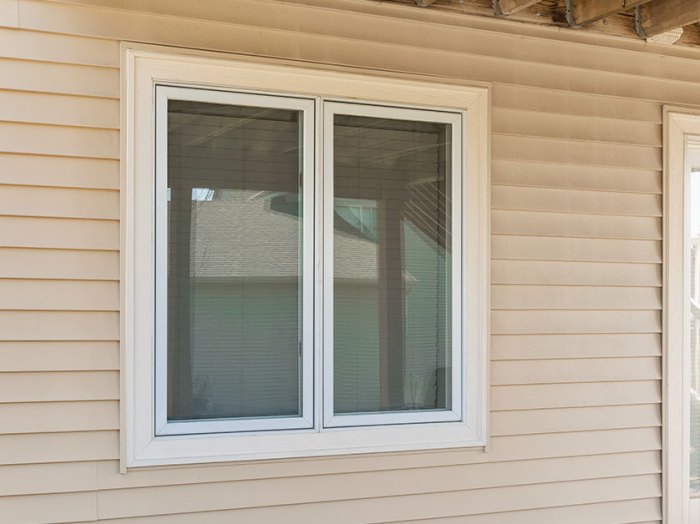
Visual aids are crucial for understanding the financial aspects of a home improvement project like siding and window replacement. A clear representation of the cost breakdown helps homeowners make informed decisions and manage their budget effectively. By visualizing the data, you can easily identify the largest expense categories and prioritize them accordingly.
A pie chart and a bar graph are effective methods to visually represent the cost breakdown of a typical siding and window replacement project. These charts offer a clear and concise overview of the different cost components.
Pie Chart Illustrating Cost Proportions
A pie chart effectively shows the relative proportion of each cost component—materials, labor, permits, and other fees—to the total project cost. Imagine a circle divided into segments, each representing a cost category. In a typical project, the largest segment would likely represent labor costs, potentially accounting for 30-40% of the total. The next largest segment might be materials, representing 30-40% as well, depending on the chosen materials. Permits and other fees (including things like inspections and potential demolition/removal costs) would typically constitute a smaller segment, perhaps 10-15% combined. The remaining segment would represent the miscellaneous fees or contingency funds (5-10%). The exact proportions would vary based on project specifics, location, and material choices. For example, a project with high-end custom windows would see a larger proportion allocated to materials, whereas a project with simpler designs might have a greater proportion of labor costs due to more extensive installation time.
Bar Graph Comparing Siding and Window Options, Cost of new siding and windows
A bar graph provides a clear comparison of the costs associated with different siding and window options. The horizontal axis would list the various options (e.g., vinyl siding, fiber cement siding, wood siding; double-pane windows, triple-pane windows, custom windows). The vertical axis would represent the cost per square foot or window unit. For example, a bar graph might show that vinyl siding is significantly less expensive than fiber cement or wood siding, reflecting differences in material cost and installation complexity. Similarly, the graph would illustrate the cost differences between different window types, with custom windows typically being the most expensive option, followed by triple-pane, and then double-pane windows. This visual representation allows for easy comparison and helps homeowners choose options that fit their budget and desired level of quality. A real-life example would be comparing the cost of vinyl siding ($5-$8 per square foot) versus fiber cement siding ($10-$15 per square foot), clearly illustrating the price difference between the two options.
Closing Notes
Source: spirit.homes
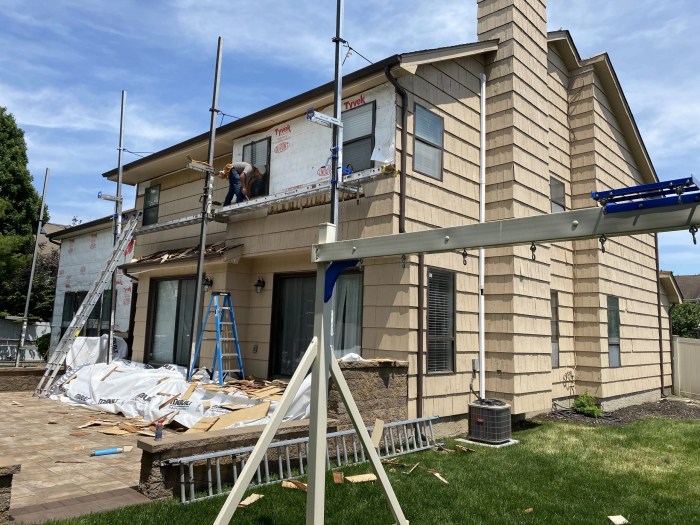
Replacing your siding and windows is a significant investment, but one that can dramatically enhance your home’s curb appeal, energy efficiency, and overall value. By carefully considering the factors Artikel in this guide—material costs, labor, permits, and energy savings—you can create a detailed budget and choose the options that best suit your needs and financial capabilities. Remember to obtain multiple quotes and factor in potential unforeseen expenses for a successful and satisfying renovation experience. Your updated home awaits!
Answers to Common Questions
What is the average lifespan of different siding materials?
Vinyl siding typically lasts 20-30 years, wood siding 20-50 years (depending on maintenance), fiber cement 50+ years, and aluminum siding 30-50 years.
How much do window installation permits typically cost?
Permit costs vary greatly by location and project size, ranging from a few hundred to over a thousand dollars. Check with your local building department for accurate pricing.
Can I install siding and windows myself to save money?
While possible, DIY installation can be challenging and may void warranties. Improper installation can lead to costly repairs down the line. Weigh the potential savings against the risk and your skill level.
What are low-E coatings and argon gas ffill-inwindows?
Low-E coatings reduce heat transfer, improving energy efficiency. Argon gas fill between window panes further enhances insulation, lowering energy costs.
How can I find reputable contractors for siding and window replacement?
Get multiple quotes, check references, verify licenses and insurance, and look for reviews online. Consider asking for photos of previous projects.
Comments are closed.