Rotted Wood Siding Repair, Prevention, and Costs

Rotted wood siding is a common problem that can significantly impact a home’s curb appeal and structural integrity. Understanding the causes, identifying the damage, and knowing how to repair or prevent further rot is crucial for homeowners. This guide will walk you through the process of assessing, addressing, and ultimately preventing rotted wood siding, ensuring your home remains protected and beautiful.
From identifying the telltale signs of rot—such as discoloration, softness, and crumbling wood—to understanding the underlying causes like moisture exposure and insect infestation, we’ll cover everything you need to know. We’ll explore effective repair techniques, from patching small areas with wood filler to completely replacing severely damaged sections. Furthermore, we’ll delve into preventative measures, including regular inspections, proper ventilation, and the selection of durable siding materials.
Identifying Rotted Wood Siding
Identifying rotted wood siding is crucial for maintaining the structural integrity and aesthetic appeal of your home. Early detection and prompt action can prevent extensive and costly repairs. Recognizing the signs of rot, understanding the different types, and assessing the extent of damage are key steps in addressing this common issue.
Rotted wood siding exhibits several visual characteristics that can help homeowners identify the problem. These visual cues, combined with careful inspection, will allow for effective assessment and timely repairs.
Visual Characteristics of Rotted Wood Siding
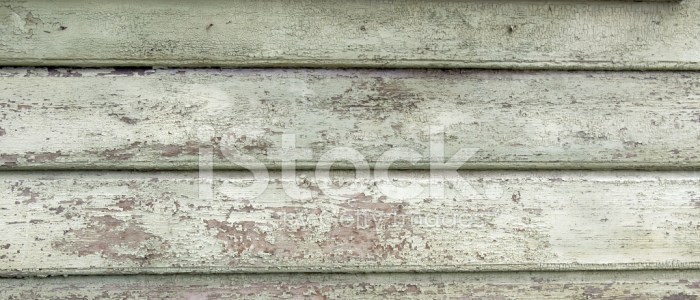
Rotted wood siding often appears discolored, typically showing darker shades of brown, gray, or black, depending on the type of wood and the extent of decay. The wood may feel soft and spongy to the touch, unlike the firm consistency of healthy wood. You may also notice cracks, splits, or crumbling textures on the surface. In advanced stages, the wood might be easily crumbled or pushed in with minimal pressure. Sometimes, you might see fungal growth, such as white, gray, or brown mycelial mats, which are indicative of fungal decay. Additionally, you may observe insect activity, such as holes or tunnels, which can often accompany wood rot.
Types of Wood Rot and Their Appearances
There are primarily three types of wood rot: dry rot, wet rot, and soft rot. Dry rot, while misleadingly named, usually requires some moisture to begin but then can spread even in drier conditions. It is characterized by a crumbly, powdery texture and often appears as a reddish-brown discoloration. Wet rot, as the name suggests, needs consistent moisture to thrive and usually appears darker in color, often a dark brown or black, and is softer and more spongy than dry rot. Soft rot is often found in wood exposed to consistently damp conditions and results in a stringy, fibrous texture, and is usually a lighter color than wet rot.
Determining the Extent of Wood Rot Damage
To determine the extent of rot, a careful inspection is necessary. Start by visually assessing the affected area, noting the size, depth, and spread of the damage. Gently probe the wood with a screwdriver or similar tool. If the wood easily penetrates or crumbles, the rot is likely extensive. In some cases, you may need to remove a small section of siding to fully assess the damage. This will help determine if the rot has spread beyond the surface. If you are unsure about the extent of the damage, it’s best to consult a professional for a thorough inspection.
Wood Siding Inspection Checklist
Before beginning any repairs, a thorough inspection is vital. Here’s a checklist to guide your inspection:
A systematic approach will help ensure a comprehensive assessment. Consider dividing the siding into sections and inspecting each thoroughly.
- Visually inspect all siding for discoloration, cracks, splits, or crumbling.
- Check for the presence of fungal growth or insect activity.
- Test the firmness of the wood by gently probing it with a screwdriver or other tool.
- Pay close attention to areas prone to moisture accumulation, such as around windows, doors, and ground level.
- If necessary, carefully remove small sections of the siding to assess the depth of rot.
- Document the findings with photographs or detailed notes.
Causes of Rotted Wood Siding
Wood siding rot is a common problem stemming from a combination of factors. Understanding these causes is crucial for effective prevention and repair. Ignoring these factors can lead to costly repairs and even structural damage to your home. This section details the key contributors to wood rot, enabling you to take proactive steps to protect your investment.
Environmental Factors
Moisture is the primary driver of wood rot. Prolonged exposure to rain, snow, and high humidity creates an ideal environment for fungal growth. Poor drainage around the foundation, leaky gutters, and inadequate ventilation can all contribute to excessive moisture retention in the siding. Humidity levels above 60% consistently increase the risk of fungal growth and wood decay. Furthermore, direct contact with soil allows constant moisture absorption into the wood, accelerating decay. Condensation within the wall cavity, caused by insufficient insulation or air sealing, also contributes significantly.
Wood Species and Susceptibility
Not all wood species are created equal when it comes to rot resistance. Heartwood, the inner, darker portion of the tree, generally offers better natural resistance to decay than sapwood, the lighter outer layer. Certain species, like cedar, redwood, and cypress, possess natural oils and resins that provide inherent resistance to rot and insects. Conversely, species like pine and fir are more susceptible to decay unless treated with preservatives. The density of the wood also plays a role; denser woods tend to be more resistant.
Impact of Poor Installation Techniques
Improper installation significantly increases the risk of wood rot. Leaving gaps between siding boards allows water to penetrate, leading to moisture buildup and decay. Failure to use proper flashing around windows and doors creates pathways for water intrusion. Direct contact between wood siding and the ground provides a constant source of moisture, leading to rapid deterioration. Inadequate sealing around joints and fasteners allows water to seep into the wood, promoting rot.
Insect Infestations
Various insects, particularly termites and carpenter ants, can accelerate wood decay. Termites feed on cellulose in the wood, creating tunnels and weakening the structural integrity. Carpenter ants excavate nests within the wood, creating further damage and providing pathways for moisture penetration. Infestations often go unnoticed until significant damage has already occurred. These insects can significantly speed up the rot process, requiring both insect control and wood repair.
| Cause | Description | Impact | Prevention |
|---|---|---|---|
| Excessive Moisture | Prolonged exposure to rain, snow, high humidity, poor drainage, leaky gutters, and inadequate ventilation. | Fungal growth, wood decay, structural damage. | Improve drainage, repair leaks, ensure adequate ventilation, and use water-resistant coatings. |
| Susceptible Wood Species | Some species (e.g., pine, fir) are naturally less resistant to rot than others (e.g., cedar, redwood). | Increased risk of fungal attack and decay. | Choose rot-resistant species or pressure-treated lumber. |
| Poor Installation | Inadequate flashing, gaps between boards, direct ground contact, insufficient sealing. | Water penetration, accelerated decay, structural compromise. | Follow proper installation guidelines, use sealant, and ensure proper flashing and drainage. |
| Insect Infestations | Termites, carpenter ants, and other wood-boring insects. | Weakening of wood structure, increased susceptibility to rot. | Regular pest inspections, preventative treatments, and prompt removal of infested wood. |
Repairing Rotted Wood Siding

Source: alandcs.com
Repairing rotted wood siding is crucial for maintaining your home’s structural integrity and curb appeal. The extent of the damage dictates the repair method, ranging from simple filling for minor rot to complete section replacement for severe cases. Choosing the right approach ensures a long-lasting and aesthetically pleasing solution.
Repairing Minor Rot with Wood Filler
Minor rot, typically characterized by small, shallow areas of decay, can often be effectively repaired using wood filler. This is a cost-effective solution for addressing superficial damage before it worsens. Begin by thoroughly cleaning the affected area, and removing any loose or crumbling wood. Apply the wood filler, ensuring it’s packed firmly into the cavity. Once dry, sand the filler smooth and match the surrounding wood’s texture. Finally, prime and paint the repaired area to blend seamlessly with the rest of the siding. Choosing a high-quality exterior-grade wood filler is essential for durability and weather resistance.
Replacing Severely Rotted Siding Sections, Rotted wood siding
Severe rot requires more extensive repair, necessitating the replacement of entire siding sections. This involves carefully removing the damaged area and taking care not to compromise surrounding sections. Accurate measurements of the removed section are crucial for obtaining a precise replacement piece. The new piece should be of the same material and thickness as the original siding, ensuring a smooth, even finish. Secure the replacement section using appropriate fasteners, ensuring proper alignment and a tight fit. Finally, prime and paint the new section to match the existing siding.
Wood Replacement Techniques
Several techniques exist for replacing rotted siding sections. Direct replacement involves using a piece of wood identical to the removed section. This is straightforward for simple repairs. For more complex situations, splicing involves inserting a new piece of wood into the existing structure and carefully joining it to the surrounding sound wood. This technique is useful for repairing larger areas of rot without replacing an entire section. A third option is to use composite materials as replacements, offering increased resistance to rot and decay. Composite materials, however, often require specialized tools and installation techniques. The best technique depends on the severity and location of the rot, as well as the homeowner’s skill level and budget.
Using Sealants and Protective Coatings
After repairing rotted wood siding, applying sealants and protective coatings is crucial for preventing future rot. A high-quality wood sealant creates a barrier against moisture, preventing water from penetrating the wood and causing further decay. Exterior-grade paint or stain provides an additional layer of protection, enhancing the siding’s durability and aesthetic appeal. Regular inspection and reapplication of sealant and paint are recommended to maintain effective protection.
Step-by-Step Guide for Replacing a Single Section of Rotted Siding
Before beginning, ensure you have all necessary tools and materials: safety glasses, pry bar, hammer, saw, replacement siding piece, nails or screws, wood sealant, primer, paint, and measuring tape.
- Carefully remove the rotted siding section using a pry bar, taking care not to damage adjacent sections.
- Clean the area thoroughly, removing any loose debris or remaining rotted wood.
- Measure the removed section accurately to ensure a proper fit for the replacement piece.
- Cut the replacement siding piece to the exact dimensions measured in the previous step.
- Apply wood sealant to the edges of the replacement piece and the area where it will be installed.
- Secure the replacement piece using nails or screws, ensuring it is flush with the surrounding siding.
- Prime and paint the new section to match the existing siding, allowing sufficient drying time between coats.
Preventing Future Rot

Source: cloudfront.net
Preventing rot in your wood siding requires a proactive approach combining regular maintenance, appropriate treatments, and careful material selection. By implementing these strategies, you can significantly extend the lifespan of your siding and avoid costly repairs down the line. This involves a combination of preventative measures and informed choices regarding materials and construction.
Preventative Maintenance Strategies
Regular cleaning and inspection are crucial for early detection of potential problems. Neglecting these tasks can lead to minor issues escalating into significant rot problems. A yearly inspection allows for timely intervention, preventing small problems from becoming major, costly repairs.
Regular Inspection and Cleaning Plan
A well-structured plan should incorporate both spring and fall inspections. Spring inspections focus on assessing winter damage, while fall inspections prepare the siding for the harsh winter months. Cleaning should be performed at least annually, using a gentle pressure washer or a brush and mild detergent solution. Pay close attention to areas prone to moisture accumulation, such as the base of the siding and around windows and doors. A visual inspection should include checking for signs of discoloration, cracks, swelling, or insect infestation. Any suspicious areas should be investigated thoroughly.
Appropriate Siding Treatments
Protecting your wood siding with appropriate treatments is essential. A high-quality water-repellent sealant applied every few years will significantly reduce moisture absorption. This is particularly important in areas with high humidity or frequent rainfall. Consider using a sealant that also offers UV protection to prevent fading and cracking. Regularly inspecting and reapplying the sealant as needed ensures continuous protection. Properly preparing the surface before applying the sealant—cleaning and allowing it to fully dry—is crucial for effective application.
Advantages and Disadvantages of Different Siding Materials
Choosing the right siding material is a key factor in preventing rot. Vinyl siding is relatively inexpensive, low-maintenance, and resistant to rot, insects, and moisture. However, it can be susceptible to damage from impact and may not offer the aesthetic appeal of wood. Fiber cement siding offers excellent durability, fire resistance, and rot resistance, but it is more expensive than vinyl and requires professional installation. It’s also heavier than vinyl, potentially requiring more structural support. Choosing the material best suited to your climate, budget, and aesthetic preferences is crucial.
Proper Ventilation to Prevent Moisture Buildup
Adequate ventilation is crucial in preventing moisture buildup, a major contributor to rot. Ensure proper attic ventilation to allow for air circulation and prevent moisture from accumulating within the wall cavity. Install vents in the soffits and ridge of the roof. Properly functioning gutters and downspouts are also vital to divert rainwater away from the foundation and siding, reducing the risk of water damage. Regularly cleaning gutters and downspouts is essential to maintain their effectiveness.
Cost Considerations for Repair/Replacement: Rotted Wood Siding
Repairing or replacing rotted wood siding can be a significant home improvement expense. The total cost depends on several interconnected factors, making it crucial to understand these variables before starting any project. Accurate cost estimation requires considering both material and labor expenses, along with the scope of the repair or replacement.
Factors Influencing Costs
Several key factors significantly influence the overall cost of addressing rotted wood siding. These include the extent of the damage, the type of siding material used (e.g., cedar, vinyl, fiber cement), the complexity of the repair or replacement, the accessibility of the affected areas (e.g., second-story siding is more expensive to access), and the prevailing labor rates in your region. The cost of materials can fluctuate based on market conditions and the specific products chosen. Additionally, permits and inspections may be added to the final bill. For example, extensive rot requiring complete siding replacement on a large two-story house will naturally cost far more than patching a few small areas of rot on a single-story shed.
Labor and Material Costs Breakdown
Labor costs typically represent a significant portion of the total expense. Simple repairs, such as patching small areas of rot, might involve relatively low labor costs. However, extensive repairs or full siding replacements demand substantially more labor, driving up the overall cost. Material costs vary widely depending on the chosen siding material. For example, premium cedar siding is considerably more expensive than standard vinyl siding. Furthermore, specialized tools or equipment needed for the job (such as scaffolding or specialized power tools) can add to the overall cost. For instance, replacing rotted siding on a multi-story building might necessitate the rental or purchase of scaffolding, increasing labor and material expenses.
Cost-Saving Measures
Homeowners can implement several cost-saving measures to reduce the overall expense of repairing or replacing rotted wood siding. One effective strategy is to address minor rot issues promptly. Early intervention prevents minor problems from escalating into major, more costly repairs. Another cost-saving measure is to obtain multiple quotes from different contractors before making a decision. Comparing estimates helps identify competitive pricing and services. Homeowners can also consider tackling smaller repairs themselves, reducing labor costs. However, it’s important to assess your skill level and comfort before attempting DIY repairs; incorrect repairs can lead to further damage and increased costs in the long run. Finally, purchasing materials in bulk or during off-season sales can sometimes lead to significant cost savings.
Estimated Costs of Repair Options
The following table provides estimated costs for various repair options. These are approximate figures and can vary depending on location, materials used, and the extent of the damage. It’s crucial to remember these are estimates and you should always get professional quotes for your specific situation.
| Repair Method | Material Cost (USD) | Labor Cost (USD) | Total Cost (USD) |
|---|---|---|---|
| Patching small areas of rot | 50-150 | 100-300 | 150-450 |
| Replacing a single section of siding | 150-500 | 300-800 | 450-1300 |
| Replacing a significant portion of siding | 500-2000 | 1000-4000 | 1500-6000 |
| Full siding replacement | 2000-10000+ | 4000-15000+ | 6000-25000+ |
Illustrative Examples of Rotted Siding
Understanding the different ways rot can manifest in wood siding is crucial for effective diagnosis and repair. The following examples illustrate the appearance and causes of rot in various scenarios. Recognizing these patterns will help homeowners identify problems early and take appropriate action.
Severely Rotted Siding Due to Prolonged Water Exposure
Imagine a section of aging clapboard siding on a house with a poorly maintained gutter system. Years of overflowing gutters have resulted in constant water runoff directly against the siding. The lower sections of the siding, constantly saturated, are now significantly damaged. The wood is soft and spongy to the touch, easily crumbling under slight pressure. Dark staining, indicative of water damage and fungal growth, is visible across the affected area. In places, the wood has completely deteriorated, leaving gaps and holes exposing the underlying sheathing. The paint is peeling and blistered, further emphasizing the extent of the water damage. The affected area is noticeably darker and discolored compared to the undamaged sections of the siding. The overall appearance is one of significant decay and structural compromise.
Rotted Siding Caused by Insect Infestation
Carpenter ants, known for their ability to tunnel through wood, have infested a section of cedar shingle siding. The ants have created extensive networks of tunnels within the shingles, weakening the structural integrity of the wood. While the surface may appear relatively intact at first glance, closer inspection reveals small holes and frass (wood dust) accumulating at the base of the shingles. Tapping on the affected area produces a hollow sound, a clear indication of internal damage. The shingles themselves are brittle and easily break apart, revealing the extensive tunneling within. The infestation is not limited to a single shingle; adjacent shingles also show signs of damage, suggesting the spread of the colony. The overall appearance is subtle but speaks volumes about the underlying damage that could eventually lead to significant structural issues.
Rotted Siding Due to Improper Installation
A section of vinyl siding installed directly against the house’s sheathing without proper ventilation is beginning to show signs of rot. The lack of air circulation has created a humid environment trapped between the siding and the sheathing. This constant moisture has led to the growth of mold and mildew, causing discoloration and degradation of the underlying wood. The siding itself may appear relatively intact, but upon removal, the sheathing underneath is found to be soft, dark, and significantly weakened by rot. The moisture has also affected the paint on the trim surrounding the window, causing blistering and peeling. This example highlights the importance of proper installation techniques, including sufficient ventilation, to prevent moisture buildup and subsequent rot.
Epilogue
Source: freeimages.com
Addressing rotted wood siding requires a proactive approach combining careful inspection, appropriate repair methods, and preventative maintenance. By understanding the causes of rot and implementing the strategies Artikel in this guide, you can protect your home’s exterior, preserve its value, and ensure its longevity. Remember, early detection and timely intervention are key to preventing extensive damage and costly repairs. Take the time to inspect your siding regularly and don’t hesitate to seek professional help when needed.
Top FAQs
Can I paint over rotted wood siding?
No, painting will only mask the problem. Rotted wood needs to be repaired or replaced before painting.
How long does wood siding typically last?
The lifespan of wood siding varies greatly depending on the wood type, climate, and maintenance. With proper care, it can last 20-50 years or more.
What is the best type of wood for siding?
Cedar and redwood are naturally resistant to rot and decay, but proper treatment is still essential for all wood siding.
Is it cheaper to repair or replace rotted siding?
Minor rot can be repaired relatively cheaply. Extensive damage often necessitates replacement, which is significantly more costly.
How can I prevent moisture buildup behind my siding?
Ensure proper ventilation by using weep holes, ensuring adequate attic ventilation, and installing proper flashing around windows and doors.
Comments are closed.