Allura Fiber Cement Panels A Comprehensive Guide

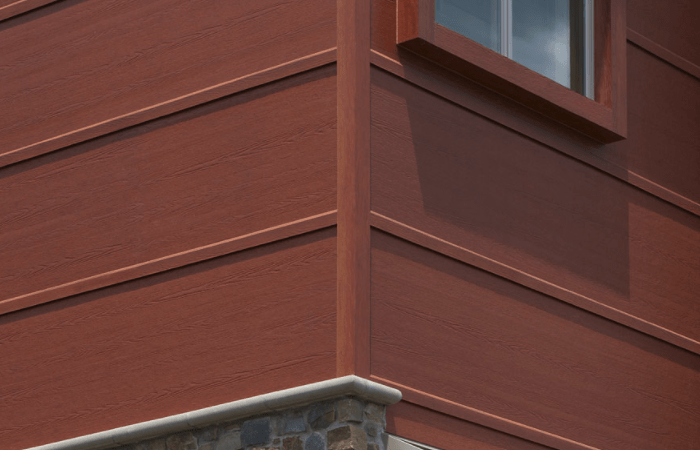
Allura fiber cement panels offer a compelling blend of durability, aesthetics, and sustainability for a wide range of architectural applications. These panels, crafted from a composite of cement, cellulose fibers, and other reinforcing materials, provide a robust and long-lasting exterior cladding solution. This guide explores the manufacturing process, diverse applications, installation techniques, and design possibilities offered by Allura fiber cement panels, empowering you to make informed decisions for your next project.
From modern homes to commercial buildings, Allura panels offer a versatile solution, adaptable to various design styles and architectural preferences. Their inherent fire resistance, low maintenance requirements, and eco-friendly composition further enhance their appeal. We’ll delve into detailed specifications, compare them to alternative materials, and provide practical advice for installation and maintenance, ensuring you know how to successfully integrate Allura fiber cement panels into your project.
Product Overview
Allura fiber cement panels offer a durable and attractive exterior cladding solution for residential and commercial buildings. They combine the strength of cement with the flexibility of cellulose fibers, resulting in a low-maintenance, long-lasting product. This overview will detail the manufacturing process, available sizes, and thicknesses, compare Allura to competing materials, and highlight its sustainability features.
Manufacturing Process
Allura fiber cement panels are manufactured through a precise process involving the careful mixing of Portland cement, cellulose fibers, and other additives. This mixture is then formed into panels under high pressure, ensuring consistent density and structural integrity. The panels are then cured in a controlled environment to achieve optimal strength and durability. Finally, they undergo a finishing process, which may include painting or texturing, to enhance their aesthetic appeal and provide added protection against the elements. This rigorous manufacturing process results in a panel that is resistant to moisture, rot, insects, and fire.
Sizes and Thicknesses
Allura fiber cement panels are available in a variety of sizes and thicknesses to suit diverse architectural needs. Standard sizes typically range from 4ft x 8ft to 4ft x 12ft, although custom sizes can often be accommodated. Thicknesses commonly range from 5mm to 12mm, with thicker panels offering increased strength and impact resistance. Specific dimensions and availability may vary depending on the supplier and regional market. Consult your supplier for the most up-to-date information on available sizes and thicknesses.
Comparison with Competing Products
The following table compares Allura fiber cement panels to wood and vinyl siding, highlighting key differences in material properties, cost, lifespan, maintenance requirements, and fire resistance. Note that costs can vary widely depending on location, specific product features, and installation costs. Lifespan estimates also consider typical environmental conditions and proper maintenance.
| Feature | Allura Fiber Cement | Wood Siding | Vinyl Siding |
|---|---|---|---|
| Material | Cement, cellulose fibers, additives | Wood (various types) | Polyvinyl chloride (PVC) |
| Cost | Medium-High | Medium | Low-Medium |
| Lifespan (Years) | 50+ | 15-30 (depending on wood type and maintenance) | 20-30 |
| Maintenance | Low (occasional cleaning) | Medium-High (painting, repairs) | Low (occasional cleaning) |
| Fire Resistance | High (Class A fire rating in many cases) | Low (flammable) | Medium (self-extinguishing, but can melt and deform) |
Sustainability Aspects
Allura fiber cement panels demonstrate a commitment to sustainability through the incorporation of recycled materials and a reduced environmental impact compared to some alternatives. Many manufacturers utilize recycled content in the production process, contributing to waste reduction and resource conservation. Furthermore, the long lifespan of Allura panels minimizes the need for frequent replacements, reducing the overall environmental burden associated with material production and disposal. The panels are also often manufactured with low VOC (volatile organic compound) paints and coatings, minimizing harmful emissions. The durability and longevity of the product translate into a smaller carbon footprint over its lifetime compared to materials requiring more frequent replacement.
Applications and Uses: Allura Fiber Cement Panels
Source: pocobuildingsupplies.com
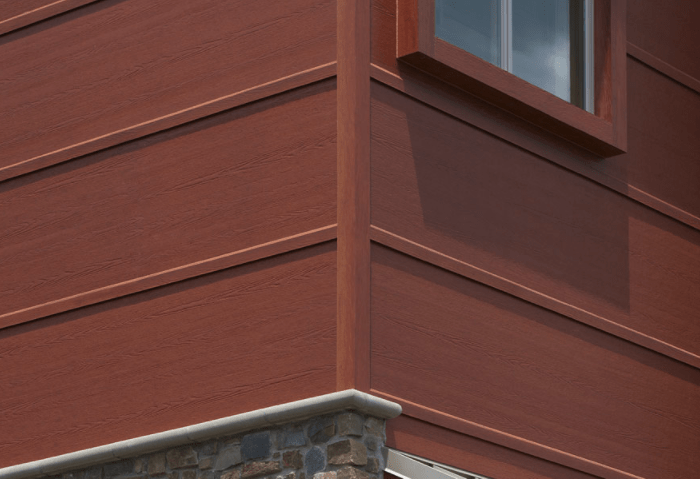
Allura fiber cement panels offer a versatile and durable solution for a wide range of architectural applications. Their strength, weather resistance, and aesthetic appeal make them a popular choice for both residential and commercial projects. This section will explore several key applications, showcasing the design possibilities and advantages of using Allura panels.
Five Diverse Architectural Applications of Allura Fiber Cement Panels
Allura fiber cement panels are exceptionally adaptable to diverse architectural styles and needs. Their inherent properties, including durability and low maintenance, make them a cost-effective and aesthetically pleasing choice for various projects. The following examples illustrate their broad applicability.
- Residential Cladding: Allura panels provide a modern and sleek look for homes, offering a variety of colors and textures to complement different architectural styles. Their lightweight nature simplifies installation, reducing construction time and costs. The panels’ resistance to rot, insects, and fire also enhances the home’s longevity and safety.
- Commercial Building Facades: The robust nature of Allura panels makes them ideal for high-traffic commercial buildings. Their ability to withstand harsh weather conditions ensures long-term durability and reduces the need for frequent maintenance or repairs. The panels can be easily customized to create striking and modern facades.
- Renovation Projects: Allura panels are a perfect solution for building renovations, offering a quick and easy way to update the exterior of a building. Their lightweight design minimizes structural load, making them suitable for older buildings. The panels’ ability to be installed over existing cladding simplifies the renovation process.
- Interior Wall Cladding: While often used externally, Allura panels can also be used for interior wall cladding, adding a touch of modern design to commercial spaces or residential interiors. Their smooth surface is easy to clean and maintain, making them suitable for high-traffic areas. The range of colors and textures provides versatility in interior design schemes.
- Soffits and Eaves: Allura panels are an excellent choice for soffits and eaves, providing a durable and weather-resistant solution that requires minimal maintenance. Their lightweight nature makes them easy to install, and their clean lines create a sophisticated aesthetic. The panels’ resistance to moisture and insects prevents damage and decay.
Modern Home Exterior Design Using Allura Fiber Cement Panels
Imagine a modern two-story home with a clean, minimalist aesthetic. The exterior is clad in Allura fiber cement panels in a combination of two colors: a light grey for the main walls and a deep charcoal grey for the accent features, such as window surrounds and a feature wall. The panels are arranged in a vertical orientation, emphasizing the height of the building and creating a sense of verticality. Large windows are framed by charcoal grey panels, providing a striking contrast against the lighter grey background. The overall design aims for a sophisticated, contemporary look that is both elegant and functional, leveraging the clean lines and modern appeal of Allura panels. The color scheme evokes a feeling of calm sophistication while the vertical panel arrangement adds a sense of dynamism.
Commercial Building Examples Using Allura Fiber Cement Panels
Consider a multi-story office building in a city center, where the facade is clad in Allura panels in sleek, metallic silver. The panels are arranged in a horizontal pattern, creating a sense of width and modernity. Large, strategically placed windows punctuate the façade, allowing natural light to flood the interior spaces. This design showcases the panels’ ability to create a striking, contemporary aesthetic for commercial buildings, while simultaneously providing durability and weather protection. Another example could be a retail building with a vibrant, textured finish achieved through the use of Allura panels in a bold color like deep red or navy blue. The panels’ ability to be easily shaped and formed allows for complex designs and intricate patterns, leading to a unique and eye-catching architectural statement.
Advantages of Allura Panels for Cladding Compared to Traditional Brick or Stucco
The use of Allura fiber cement panels offers several key advantages over traditional brick or stucco cladding.
- Lightweight: Allura panels are significantly lighter than brick, reducing the structural load on the building and simplifying installation.
- Faster Installation: The large panel size and ease of installation significantly reduce project timelines compared to brick or stucco.
- Low Maintenance: Allura panels require minimal maintenance, unlike brick or stucco which may require regular cleaning, pointing, or repainting.
- Durability and Longevity: Allura panels are highly resistant to weather damage, insects, and rot, ensuring a longer lifespan than traditional materials.
- Design Flexibility: Allura panels are available in a wide range of colors and textures, offering greater design flexibility than brick or stucco.
- Cost-Effective: While initial costs may be comparable, the lower maintenance and longer lifespan of Allura panels result in long-term cost savings.
Installation and Maintenance
Source: closelumber.com
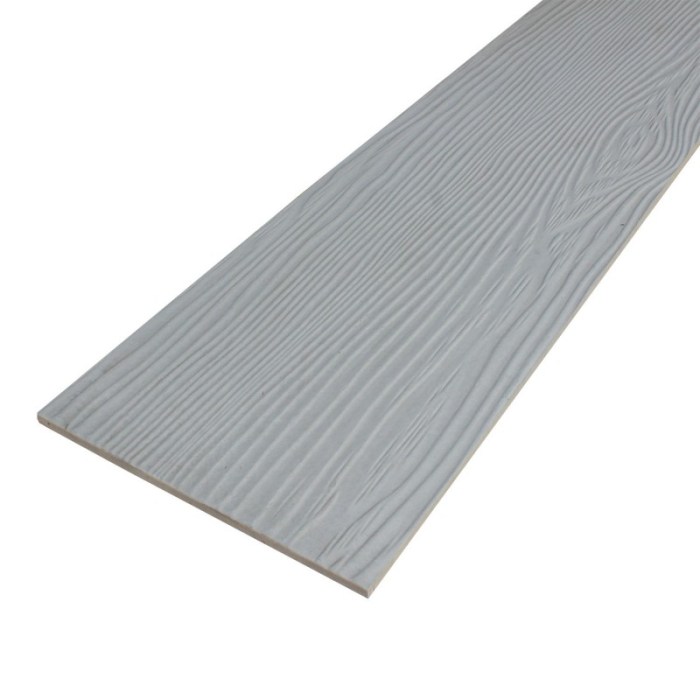
Allura fiber cement panels offer a durable and aesthetically pleasing exterior cladding solution. Proper installation and regular maintenance are crucial to ensuring the longevity and performance of your Allura panels. This section provides detailed guidance on installation procedures, common challenges, and their solutions, and a recommended maintenance schedule.
Residential Wall Installation
Installing Allura fiber cement panels on a residential wall requires careful planning and execution. The following step-by-step guide will assist you in a safe and effective installation. Remember to always consult the manufacturer’s specific installation instructions for your panels.
- Preparation: Begin by preparing the wall surface. This includes removing any existing cladding, cleaning the surface, and ensuring it is structurally sound and level. Any necessary repairs should be completed before installation begins. Measure and mark the wall to determine the panel layout and cut sizes.
- Framing (if necessary): If installing over existing sheathing, ensure it is properly fastened and sound. If creating a new wall system, install appropriate framing and sheathing according to building codes.
- Waterproofing (if necessary): Apply a suitable waterproof membrane to the wall, following the manufacturer’s instructions. This is crucial for preventing moisture damage.
- Fastening: Install the first panel, ensuring proper alignment and spacing. Use the recommended fasteners and spacing according to the manufacturer’s instructions. Pre-drilling pilot holesares generally recommended to prevent cracking.
- Panel Installation: Continue installing panels, overlapping them according to the manufacturer’s specifications. Maintain consistent spacing and alignment throughout the process.
- Caulking and Sealing: Once all panels are installed, caulk all seams and joints with a high-quality exterior-grade sealant to prevent water penetration.
- Finishing: After the sealant has cured, you may wish to paint or stain the panels to achieve the desired aesthetic. Use a paint or stain specifically formulated for fiber cement.
Tools and Safety Precautions
Proper tools and safety measures are essential for a successful installation. Necessary tools include a measuring tape, level, saw (circular saw or hand saw), drill, fasteners (appropriate for fiber cement), caulk gun, safety glasses, and work gloves. Always wear appropriate personal protective equipment (PPE), including safety glasses and gloves, to protect against dust, debris, and potential injuries. Follow all manufacturer’s safety guidelines.
Installation Challenges and Solutions
Several challenges can arise during the installation of Allura fiber cement panels.
- Uneven Wall Surfaces: Uneven walls can lead to difficulties in achieving proper panel alignment and spacing. Solution: Use shims to level the panels and ensure a consistent surface.
- Panel Cracking: Cracking can occur due to improper fastening or aggressive cutting. Solution: Pre-drill pilot holes before fastening and use the correct size and type of fasteners. Use a sharp blade when cutting panels to minimize stress on the material.
- Water Penetration: Inadequate sealing can lead to water penetration and damage. Solution: Use a high-quality exterior-grade sealant and ensure complete coverage of all seams and joints.
Maintenance Procedures
Regular maintenance is key to preserving the appearance and longevity of your Allura fiber cement panels.
- Annual Inspection: Inspect the panels annually for any signs of damage, such as cracks, loose fasteners, or water damage.
- Cleaning: Clean the panels regularly with a mild detergent and water solution. Avoid using harsh chemicals or abrasive cleaners.
- Repairs: Address any damage promptly. Minor cracks can often be repaired with a suitable sealant. For more significant damage, panel replacement may be necessary.
- Repainting/Restraining: Repaint or restrain the panels as needed, following the manufacturer’s recommendations. This will maintain the aesthetic appeal and protect the panels from the elements.
Maintenance Schedule
| Task | Frequency | Details |
|---|---|---|
| Inspection | Annually | Check for cracks, loose fasteners, or water damage. |
| Cleaning | As needed | Clean with mild detergent and water. |
| Repairs | As needed | Address any damage promptly. |
| Repainting/Restraining | Every 5-7 years (or as needed) | Maintain the aesthetic appeal and protect the panels. |
Installation Method Comparison
| Material | Installation Method | Advantages | Disadvantages |
|---|---|---|---|
| Allura Fiber Cement | Direct fastening to framing or sheathing | Durable, low maintenance, fire-resistant | Can be heavier than other options, requires specific tools and expertise |
| Vinyl Siding | Overlapping horizontal installation | Lightweight, easy to install, relatively inexpensive | Less durable than fiber cement, can fade or become brittle over time |
| Wood Siding | Nailed or screwed to framing | Aesthetically pleasing, can be customized | Requires regular maintenance, susceptible to rot, insect damage, and fire |
| Metal Siding | Overlapping horizontal installation | Durable, low maintenance, fire-resistant | Can be noisy in high winds, susceptible to dents |
Design and Aesthetics
Source: pocobuildingsupplies.com
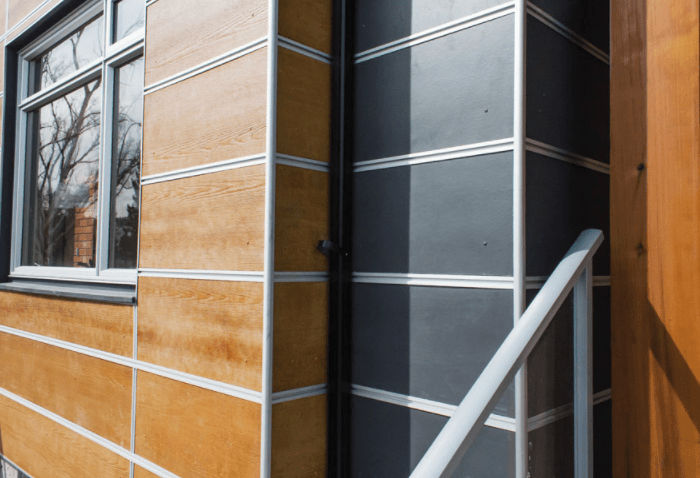
Allura fiber cement panels offer a compelling blend of durability and aesthetic versatility, allowing for a wide range of design possibilities in both residential and commercial projects. Their diverse color palette, texture options, and varied panel sizes provide architects and designers with the tools to create visually striking and unique building facades.
Allura fiber cement panels seamlessly integrate into various architectural styles, from modern minimalism to traditional designs, enhancing the overall aesthetic appeal and adding a touch of sophistication. The panels’ inherent properties contribute to their lasting beauty, resisting weathering and fading, ensuring the design remains vibrant for years to come.
Color Options and Textures
The visual appeal of Allura fiber cement panels is greatly enhanced by their diverse range of colors and textures. Imagine a panel showcasing a deep, warm gray, mimicking the look of natural stone, lending a sense of timeless elegance to a contemporary home. Another image might display a lighter, almost creamy white panel with a subtle wood grain texture, ideal for creating a rustic farmhouse aesthetic. A third image could show a sleek, charcoal-black panel with a smooth, almost glossy finish, perfect for modern commercial buildings. The varied textures, ranging from smooth to subtly textured, add depth and visual interest, enhancing the overall design. These options allow designers to create a cohesive look or use contrasting panels to create striking visual effects.
Panel Sizes and Orientations
The flexibility offered by varying panel sizes and orientations significantly impacts the overall design. Using large format panels creates a clean, minimalist look, ideal for modern buildings. In contrast, smaller panels arranged in a vertical or horizontal pattern can add visual interest and dynamism. Alternating large and small panels or using different orientations (vertical, horizontal, or even diagonal) can create complex, layered effects, adding depth and texture to the building’s facade. For example, a building might use large, horizontal panels on the lower floors for a sense of stability and then transition to smaller, vertical panels on the upper floors to add visual lightness and height.
Sustainable and Green Building Design
Allura fiber cement panels contribute to sustainable building practices through their durability and longevity. Their resistance to weathering, pests, and fire minimizes the need for frequent repairs and replacements, reducing material waste over the building’s lifespan. Furthermore, the panels are often manufactured using recycled materials and sustainable processes, further enhancing their environmental credentials. Their lightweight nature reduces transportation costs and energy consumption during construction, contributing to a lower carbon footprint. The use of Allura fiber cement panels in green building projects aligns with the growing emphasis on environmentally responsible construction practices.
Case Study: The Lakeside Residence
The Lakeside Residence, a stunning modern home situated on the shores of Lake Geneva, successfully integrated Allura fiber cement panels into its design. The architects chose large, light gray panels with a subtle texture to complement the natural surroundings. The panels were installed in a horizontal orientation, emphasizing the home’s low profile and creating a seamless transition between the building and the lake. The use of these panels contributed to the home’s overall aesthetic appeal, creating a clean, modern look that harmonizes with its environment. The panels’ durability ensured that the home’s exterior would maintain its visual appeal for years to come, minimizing maintenance and reducing the environmental impact. The choice of color and texture also reduced the need for additional paint or coatings, further contributing to the project’s sustainability goals.
Final Thoughts
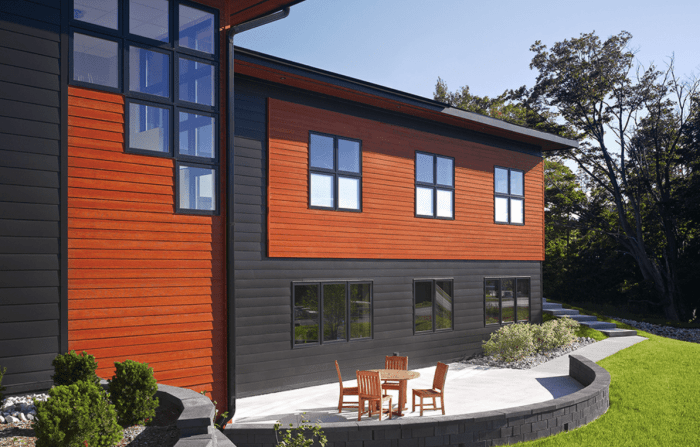
Source: pocobuildingsupplies.com
Allura fiber cement panels represent a sophisticated and sustainable choice for exterior cladding, offering a unique combination of strength, beauty, and longevity. By understanding their properties, applications, and installation procedures, you can harness their full potential to create visually striking and enduring structures. Whether you’re a homeowner seeking to enhance your curb appeal or a contractor planning a large-scale project, Allura fiber cement panels provide a reliable and aesthetically pleasing solution that stands the test of time.
FAQ Guide
What are the typical warranty periods for Allura fiber cement panels?
Warranty periods vary depending on the manufacturer and specific product, but many offer warranties ranging from 10 to 25 years.
Can Allura fiber cement panels be painted?
Yes, Allura panels can be painted with appropriate exterior-grade paints designed for fiber cement. Proper surface preparation is crucial for optimal adhesion and longevity.
How do Allura panels withstand extreme weather conditions?
Allura panels are engineered to resist a wide range of weather conditions, including rain, snow, wind, and temperature fluctuations. Their durability minimizes damage from harsh elements.
Are Allura fiber cement panels suitable for all climates?
While generally adaptable, specific product variations may be better suited to certain climates. Consult the manufacturer’s specifications for recommendations based on your geographic location.
What is the best way to clean Allura fiber cement panels?
Regular cleaning with mild soap and water is typically sufficient. Avoid abrasive cleaners that could damage the surface finish.
Comments are closed.